
Plastic instead of sheet metal
Technology
Technology
Replace sheet metal with plastic
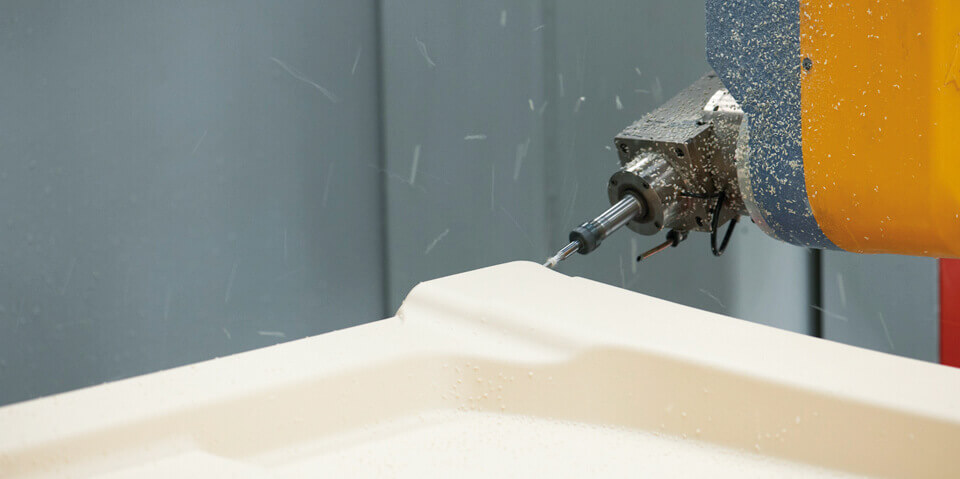
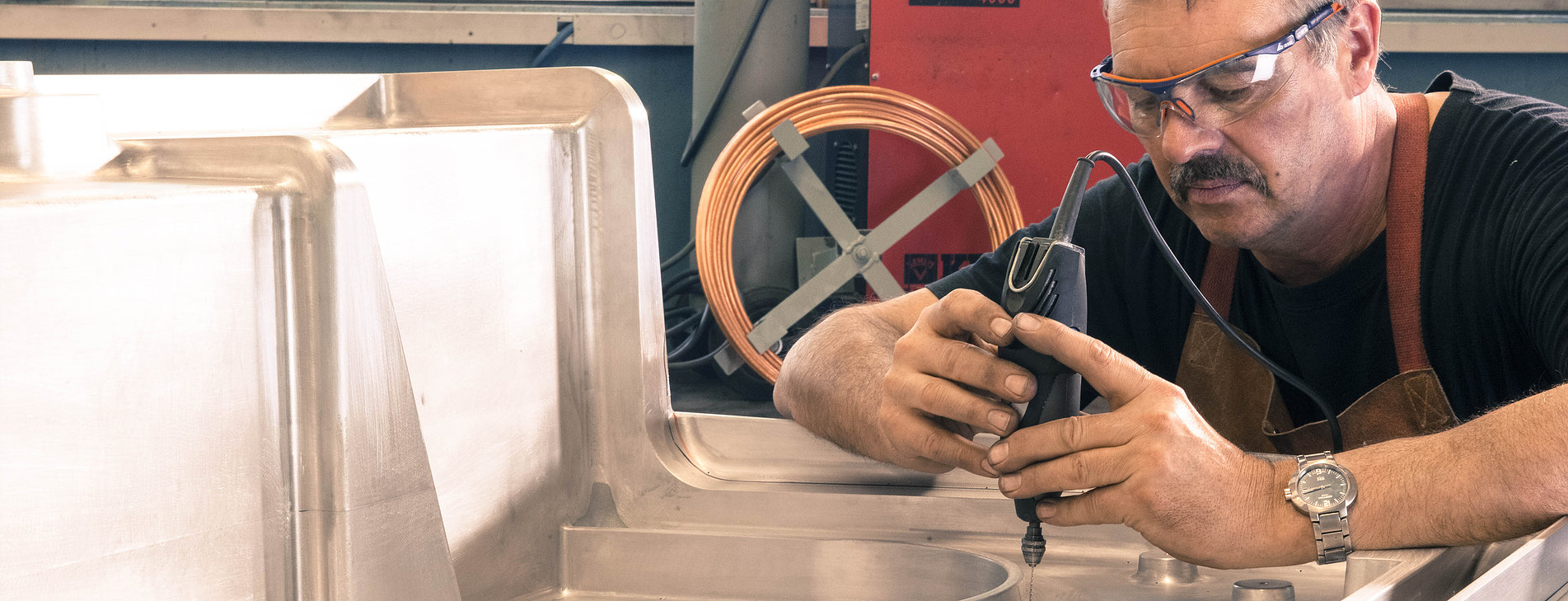
Sheet metal parts are often replaced by plastic cladding due to their lack of flexibility and their heavy weight. Plastics stand out not only in their versatility, but also in their processing options and durability. Thanks to our high-precision and accurate deep-drawing and CNC milling processes, there are virtually no limits to the design of plastic cladding and plastic components.
The advantages of thermoformed plastic compared to sheet metal parts
The advantages of thermoformed plastic compared to sheet metal parts
Full design freedom thanks to plastic
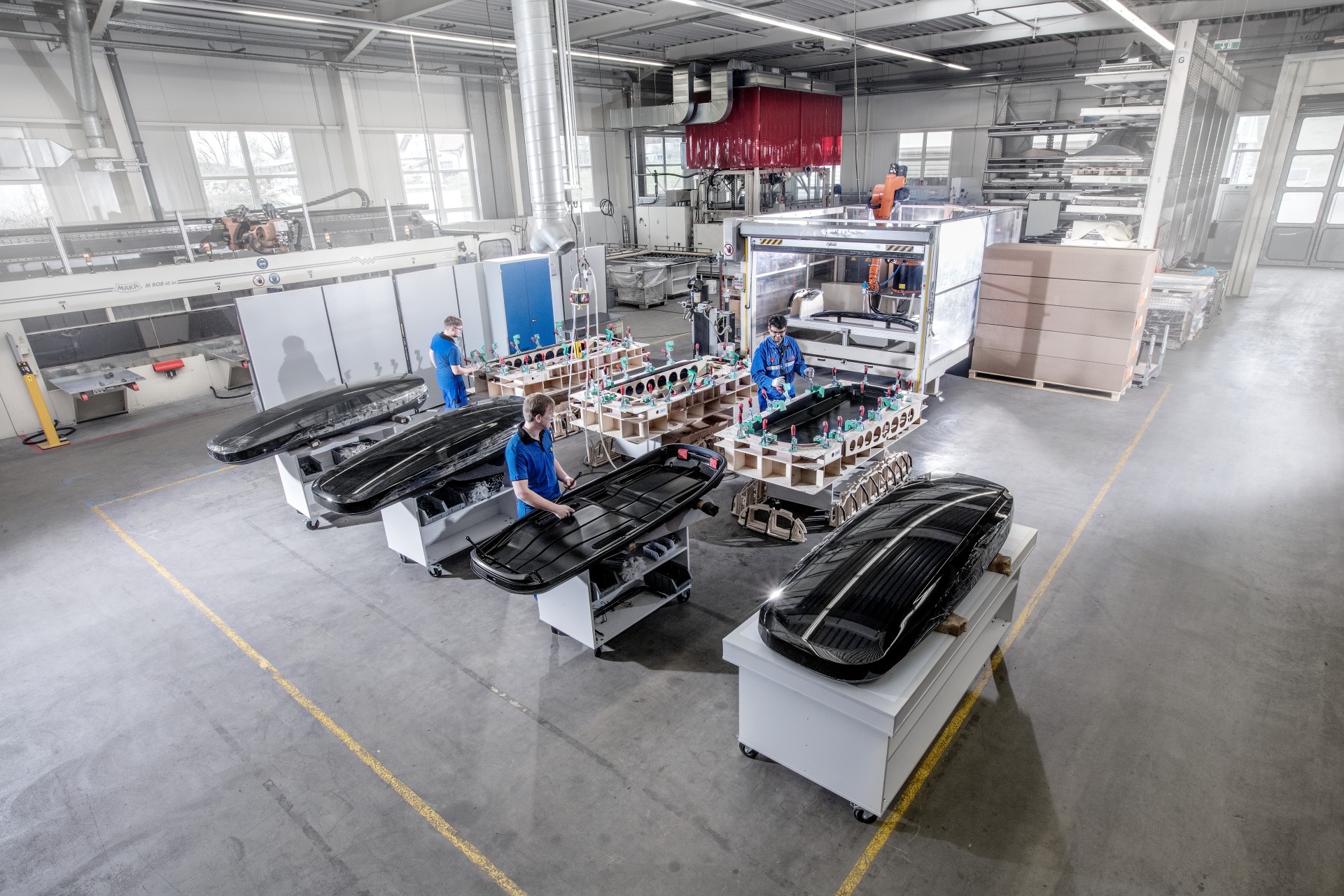
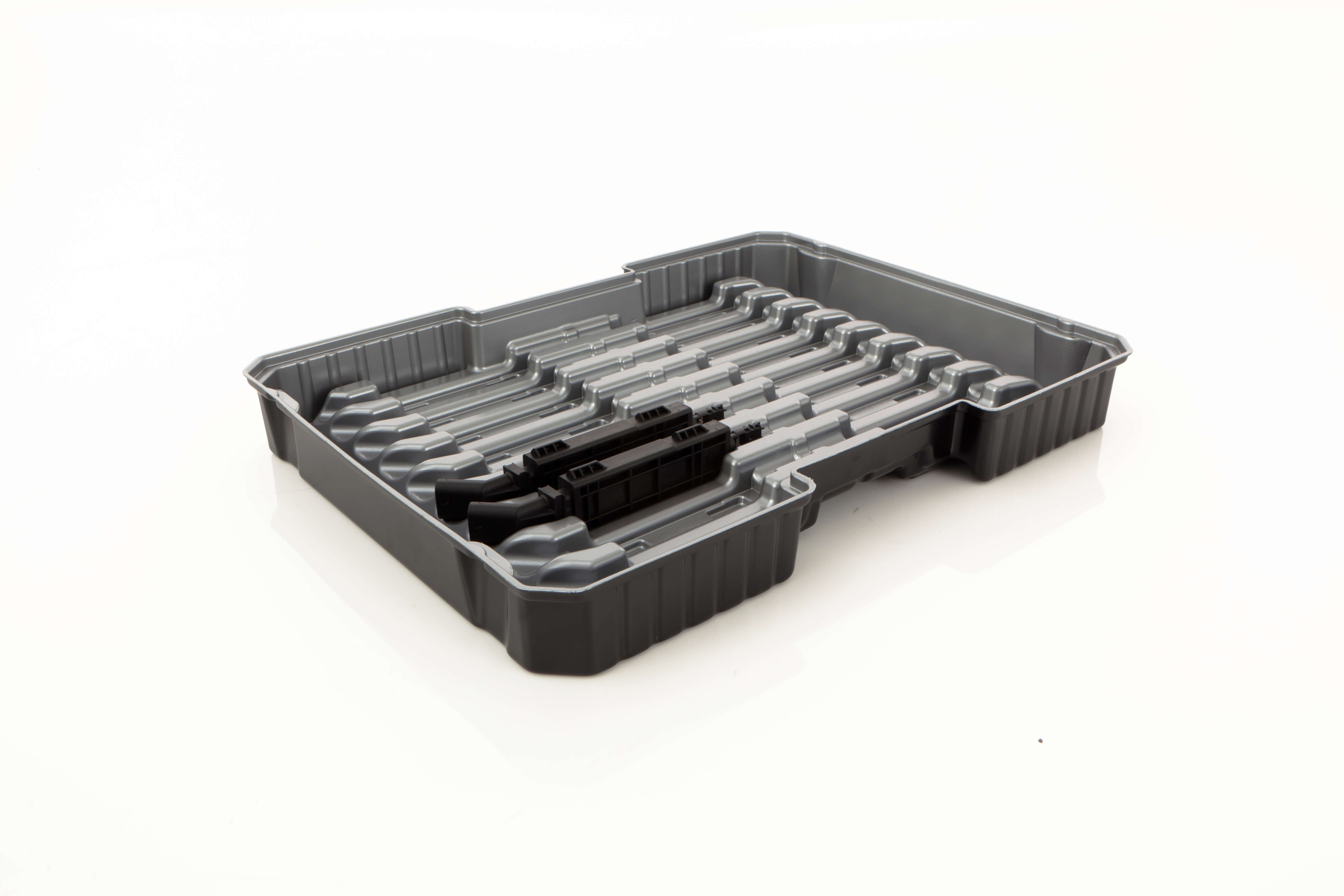
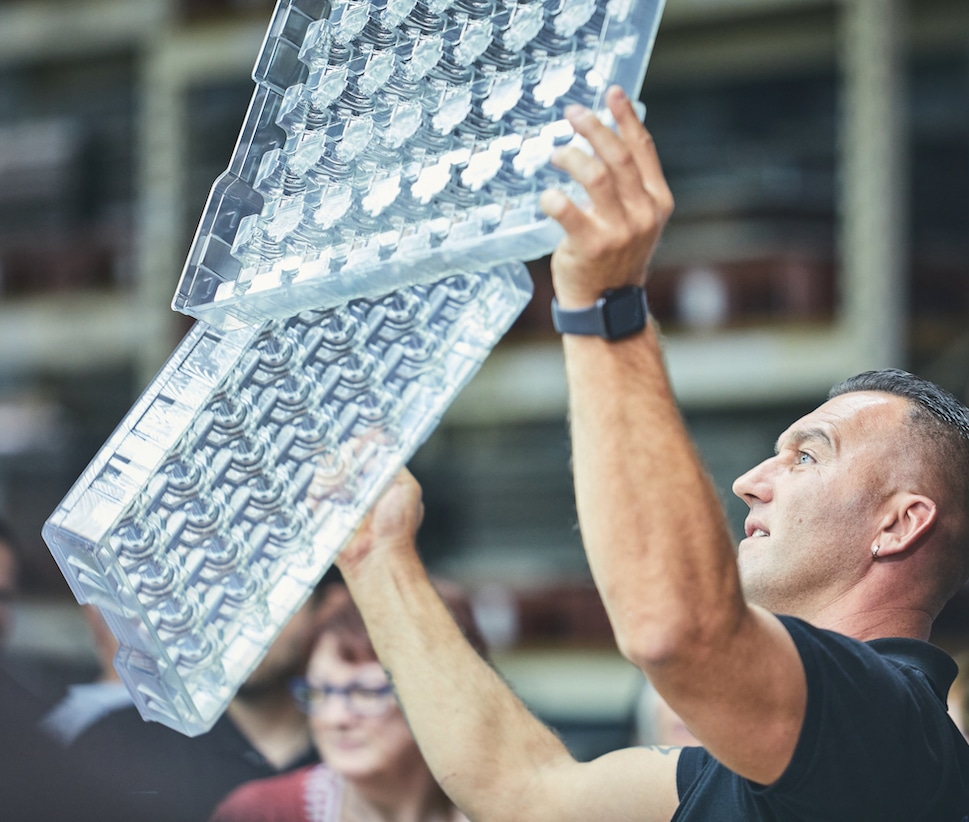
The use of plastic as a material brings with it a wide range of advantages. The biggest advantage lies in the free design of the material. Thermoforming allows us to produce virtually any shape with dimensions of up to 3000 x 2000 mm. The thickness of the plastic can range from a thin 0.2 mm to a robust 14 mm. We also frequently use twin-sheet molding, which allows two (almost) identical molded parts to be joined to increase stability. In addition to the thickness of a molded plastic part, the grain and surface finish can also be freely selected. Surfaces with a grain, matt finish or full gloss finish are no problem for us.
In addition, plastic as a material often performs better than wood, metal or cardboard in many categories: as well as being inexpensive, quick and flexible to produce, plastic also impresses with its robustness, various resistances and the low mass of the finished parts. The reduction in weight is worthwhile, as less energy is required for transportation and storage as well as for use as a moving component in a machine, which in turn saves costs.
Sheet metal in the industry
The use of sheet metal parts in the industrial sector has a long tradition. For over 200 years, sheet metal has been the preferred material for making cladding, formwork and covers. In the 21st century, however, the trend is moving away from sheet metal and towards plastic. The various advantages of plastic parts outweigh the disadvantages, with the result that plastic is gradually replacing sheet metal as a working material. swissplast supports you and your company in the changeover from sheet metal components to plastic components.
Sheet metal and sheet metal cladding for machines and vehicles have a long history. However, sheet metal processing also has its limits and disadvantages – in particular, the individualization of components in terms of color and shape is difficult with sheet metal components. In addition, the weight of sheet metal parts can impair performance. Plastic parts, on the other hand, are light, robust and durable. They are also highly customizable and adaptable.
Advantages of plastic in contrast to sheet metal
Plastic instead of sheet metal in heat pump technology
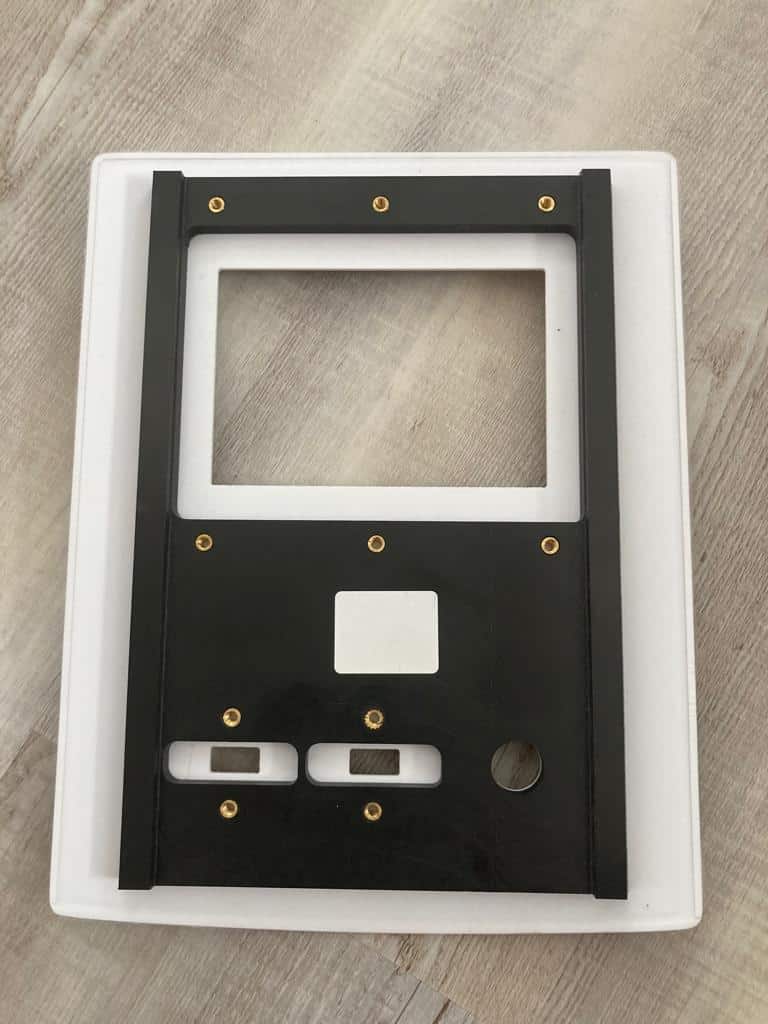
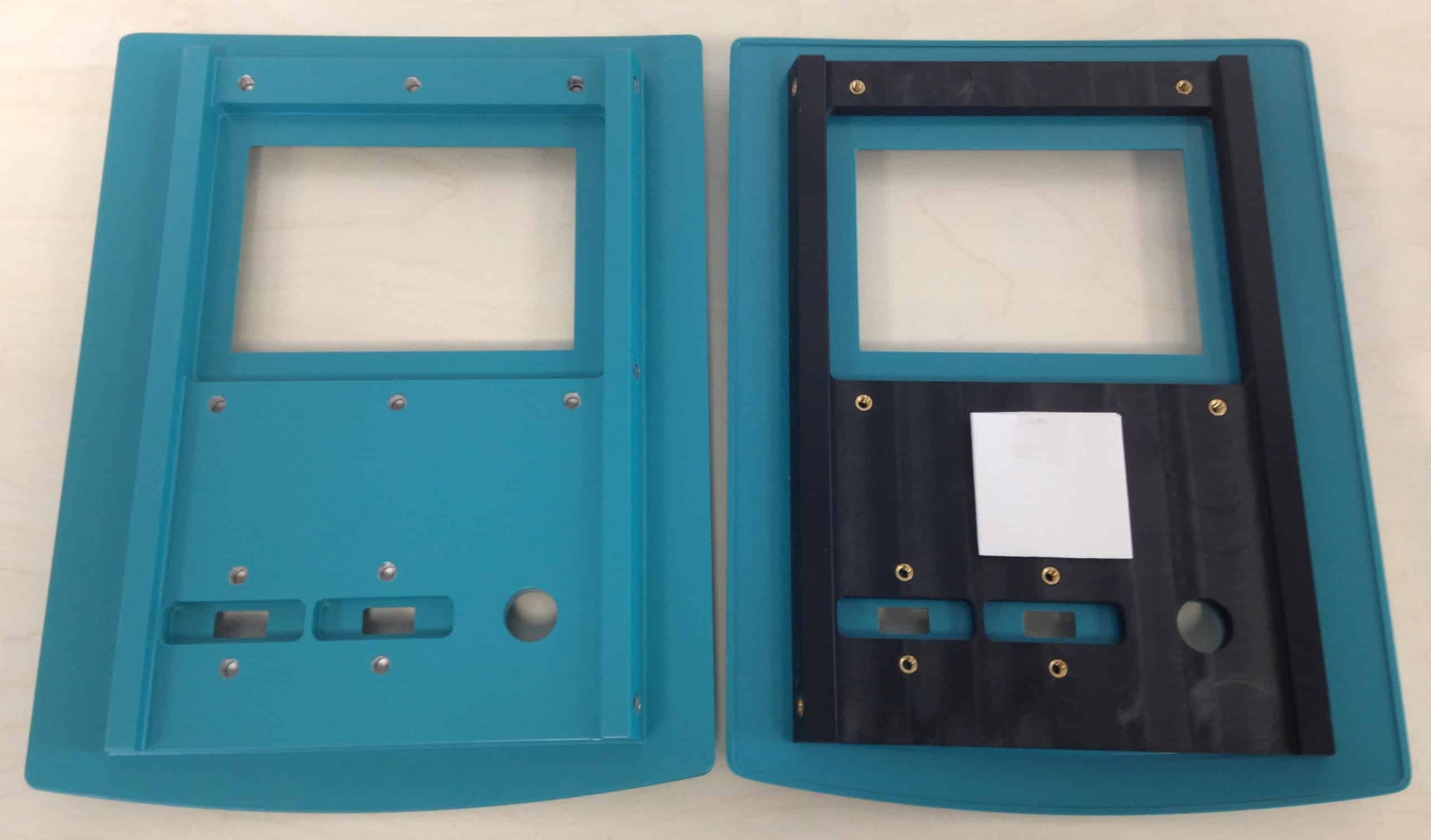
One industrial sector that illustrates the change from sheet metal parts to plastic parts can be found in the manufacture of heat pumps. In the conventional manufacture of heat pumps, sheet metal is often still used for covers, while other companies have switched to plastic for the same component. The photo shows a comparison of such a cover made of sheet metal (left) and plastic (right, produced by swissplast). The component was replaced while retaining the same robustness and lower mass.
Replacing sheet metal parts – the way forward
Sheet metal is no longer the only material used to manufacture machine components. Plastic parts have various advantages over their sheet metal counterparts. Plastics are lighter and therefore promote lightweight construction. This is useful in that the respective machines can be operated with less power, which in turn can save energy. The reduction in weight is also a huge advantage for the production and use of transport packaging.
In addition, plastic can be used to fulfill individual design wishes and requirements with greater precision, which increases the efficiency of the products.
The thermoforming process allows us to work with a wide range of plastics and adapt them to your requirements. Regardless of whether they are manufactured for mechanical engineering, automotive engineering or medical technology, we work with the highest precision and a low error rate of less than 0.3 percent.
Disadvantages of sheet metal
Metals are still used in industry today. Sheet metal parts are used in automotive engineering, mechanical engineering, packaging technology and household appliances.
However, metals and sheet metal have disadvantages compared to other building materials.
- Risk of expansion due to poor workmanship
- High price
- Poor thermal insulation
- Weather resistance and rust
- Risk of mold growth
- Stiff building material/susceptibility to damage
- Few customization options
Things to know about using plastic instead of sheet metal
Sheet metal as a material is widely used in industry: as sheet metal cladding and sheet metal formwork, as sheet metal intermediate layers, sheet metal covers or sheet metal panels. However, the use of sheet metal has a number of disadvantages. This starts with the extraction of the raw materials: producing metals is very labor and energy intensive, which in turn leads to poor environmental compatibility and high material prices. In addition, sheet metal parts are heavier than plastic parts and they deform more easily than plastic parts. In addition, sheet metal cannot be processed and customized as precisely as plastic. This already makes plastic a durable and sustainable alternative that often replaces sheet metal in industrial applications.
It is not a major change to replace sheet metal cladding and use plastic cladding. The advantages of using plastic instead of sheet metal are obvious: on the one hand, plastic is cheaper to produce. This is due to the lower material costs and the faster and more energy-saving processing. On the other hand, plastic parts are more sustainable than sheet metal parts. Although both can be recycled, the recycling of sheet metal and other metals requires the application of high heat. Plastic, on the other hand, can be shredded and reused as recycled granulate. Another strength of plastic lies in its malleability. Plastic can be processed much more finely, which means that the finished plastic parts can be better used for the respective purpose.
Since the introduction of plastics for industrial purposes in the 20th century, they have replaced older materials such as metal in many places. Plastic has established itself for many applications and impresses with its robustness, durability, customizability and low manufacturing costs at high production speeds. swissplast recognized this change early on and has since grown to become an outstanding expert in the plastics processing industry and a market leader. We manufacture plastic parts, plastic cladding or plastic cladding for you, which have major advantages over sheet metal parts, sheet metal cladding or sheet metal cladding. We can manufacture stable and sustainable plastic parts for your project with the utmost precision. Let our professionals advise you on the extent to which the use of plastic parts is worthwhile for you.
Plastics have less rigidity and strength than metal, which is why adjustments are often necessary when switching from sheet metal to plastic. In order to achieve the required stability, additional reinforcing structures or the use of fiber-reinforced plastics may be necessary. At the same time, plastics offer greater elasticity, which means that they can bend under load and then return to their original shape without remaining permanently deformed. This property makes them ideal for applications that require repeated mechanical loads. Nevertheless, careful material selection is crucial to ensure that the plastic component meets the same or even better performance requirements as the original sheet metal part.
Compared to metal, plastics often have a lower resistance to high temperatures, which limits their use in environments with high heat. Excessive heat can cause plastics to deform or lose their mechanical properties. Special heat-resistant plastics, such as polyether ether ketone (PEEK) or polyimide, must therefore be selected for applications in high-temperature areas. In addition, plastics tend to have a higher thermal expansion, which must be taken into account in the design by means of appropriate tolerances. At the same time, plastics offer advantages in cold environments as they are less brittle than many metals, which makes them more reliable in frosty environments.
One major advantage of plastics over metal is their resistance to corrosion. While metals such as steel can rust, plastics are resistant to moisture and many chemical substances. This makes them ideal for applications in damp or aggressive environments, such as in the chemical industry or outdoors. However, it should be noted that not all plastics are equally resistant to chemicals – some can be attacked by solvents or acids. UV resistance can also play a role: Without special additives, plastics can become brittle or lose their color in sunlight. Therefore, material customization is essential for certain conditions.
The production of plastic parts offers considerable advantages compared to sheet metal, especially for large production quantities. The manufacturing costs of injection molds are generally lower than for metalworking tools, which leads to a reduction in unit costs. In addition, plastics enable more complex designs in which several functions can be integrated into one component, such as clips, brackets or decorative elements. This saves time and costs during assembly. For smaller series, however, the tool costs can be comparable to sheet metal processing. The freedom of design and the possibilities for optimizing the design are important factors that make plastics economically attractive in many applications.
The switch from metal to plastic raises questions about sustainability. While plastics can improve the environmental balance during operation, for example by reducing weight, their production often requires more energy and fossil resources. Recyclability is therefore a crucial aspect: many thermoplastics, such as polypropylene or polyethylene, can be recycled and reused, which increases their environmental friendliness. However, not all plastics are equally easy to recycle, and thermosets pose particular challenges here. Companies switching to plastic should therefore rely on recyclable materials and closed-loop systems to ensure the sustainability of their products and optimize their environmental footprint.
Further topics