
Plastic prototypes
Technology
Technology
Precise plastic prototypes
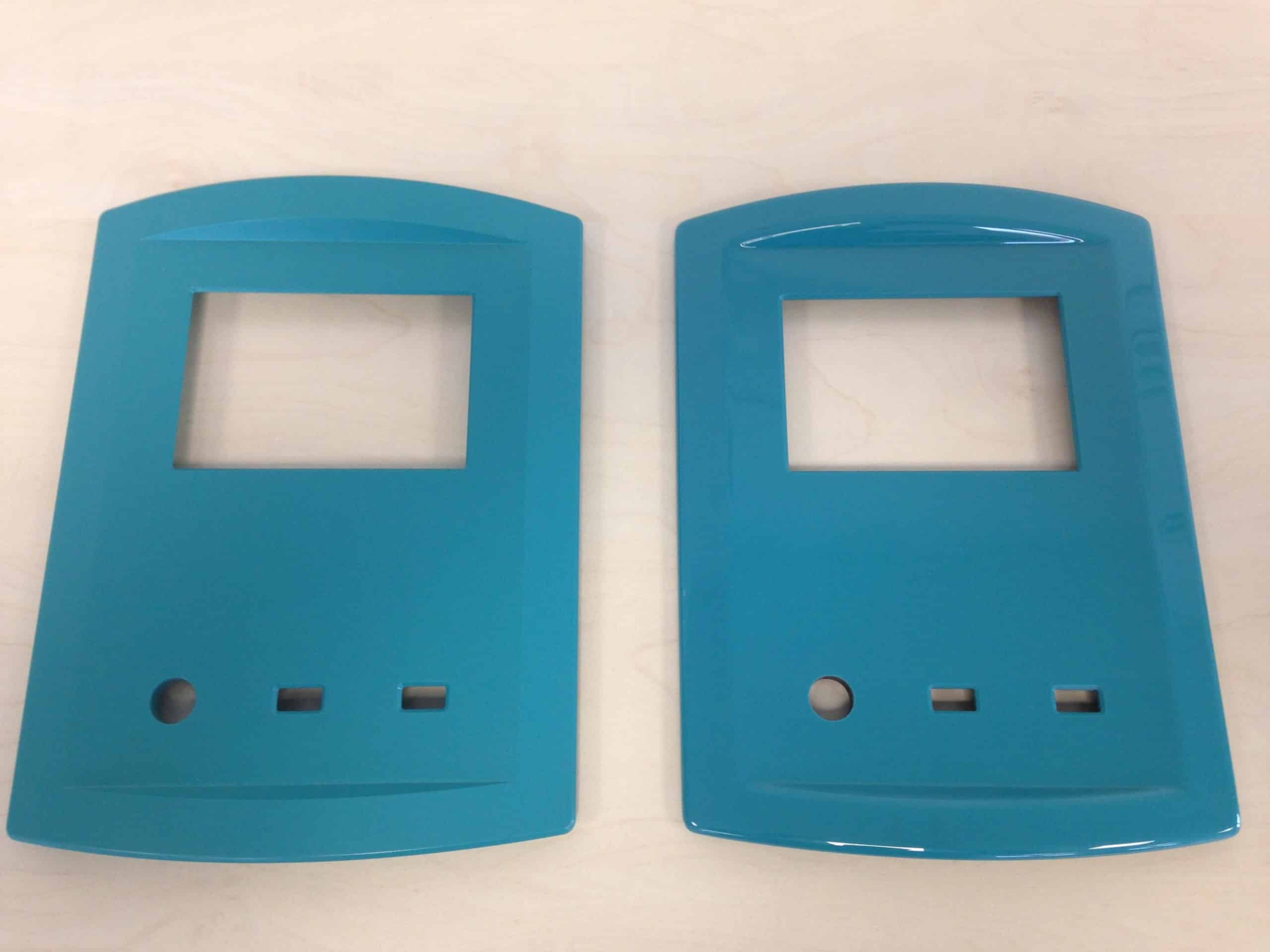
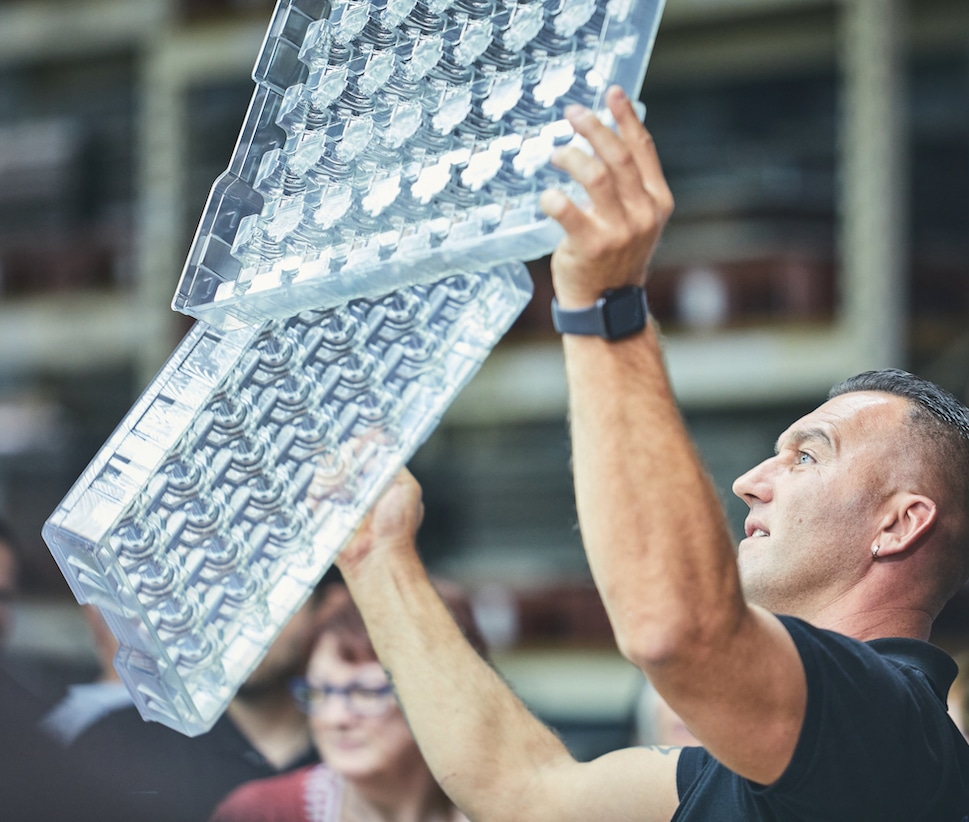
Plastic prototypes give you an exact idea of your desired product. Regardless of whether you need tools for quality assurance and metrology or for design and toolmaking: At swissplast, we manufacture your desired plastic prototypes.
Why the production of plastic prototypes is worthwhile:
We manufacture prototypes, small series & pilot series from plastic
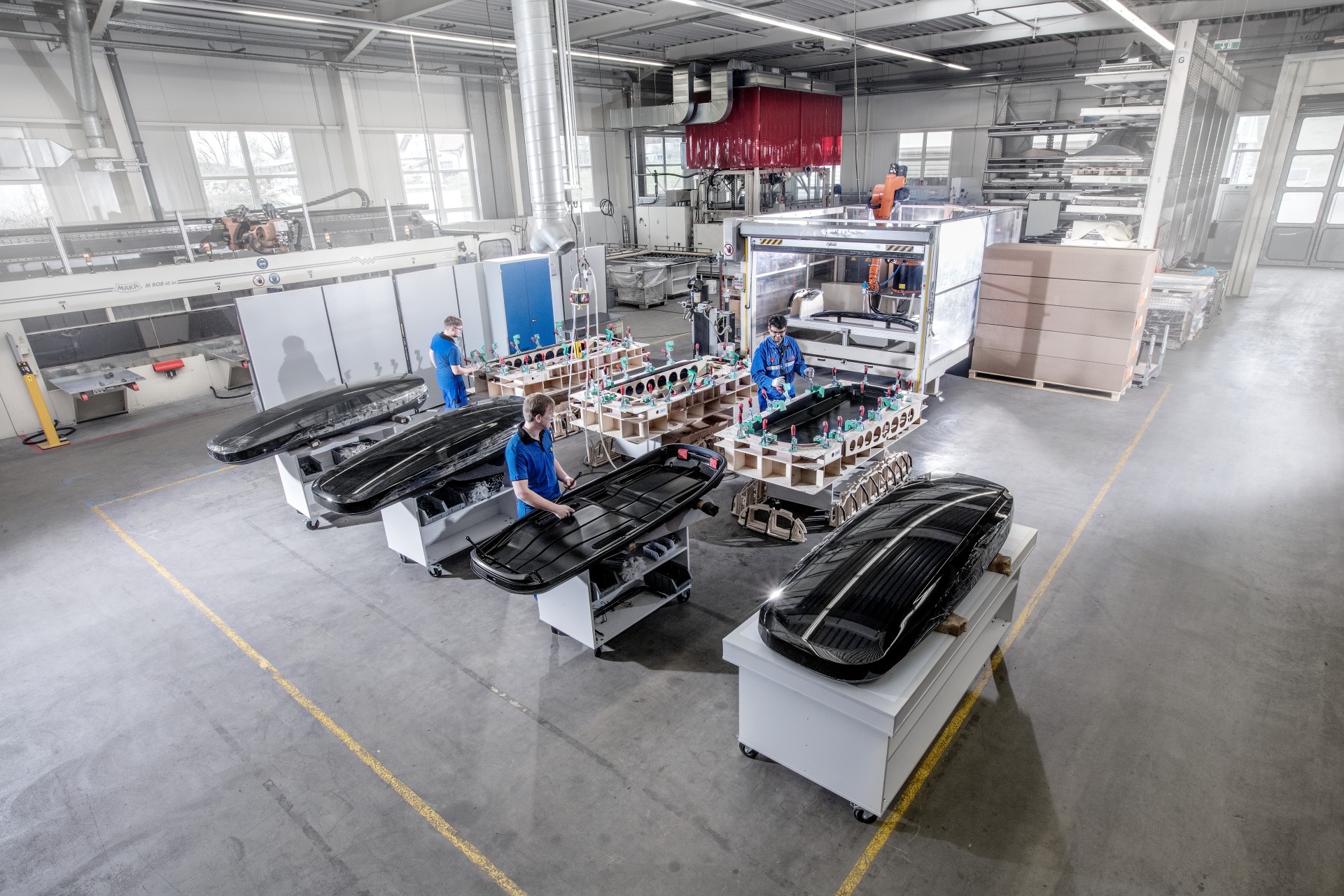
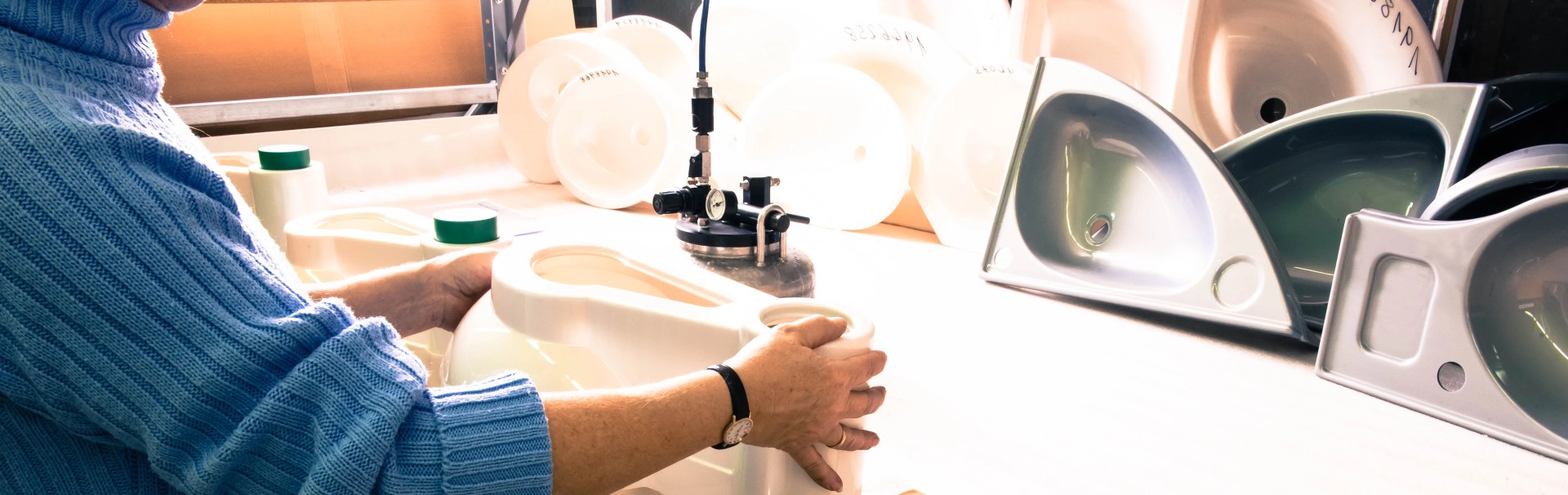
swissplast has its own prototyping department where plastic prototypes are developed and manufactured for customers. We support your product development with cost-effective pilot series or small series of up to 50 units. Our highly flexible technicians reliably implement even complex specifications so that the plastic prototypes always meet your expectations. Furthermore, in collaboration with our product designers, we can also make suggestions to our customers for the design of their products and implement them promptly. swissplast stands for minimal error rates and the highest quality in plastics production.
Thermoforming & CNC milling technology for precise plastic prototypes
swissplast is one of the largest thermoforming companies in Europe. The consistently high quality of our deep-drawn parts and plastic prototypes is our top priority. To achieve this, we use the latest technologies in plastics engineering and rely on technically sophisticated plastics with a maximum molded surface area. 3000 x 2000 x 1000mm. Our quality assurance ensures maximum customer satisfaction, while speed and cost-effectiveness also characterize our prototype production.
In addition to cost-effectiveness, sustainability is also one of our core concepts: At swissplast, we strive to preserve the earth’s resources for future generations through sustainable plastic thermoforming. If you have any questions about the technological possibilities at swissplast or would like an initial consultation, you can of course simply contact us by phone or e-mail.
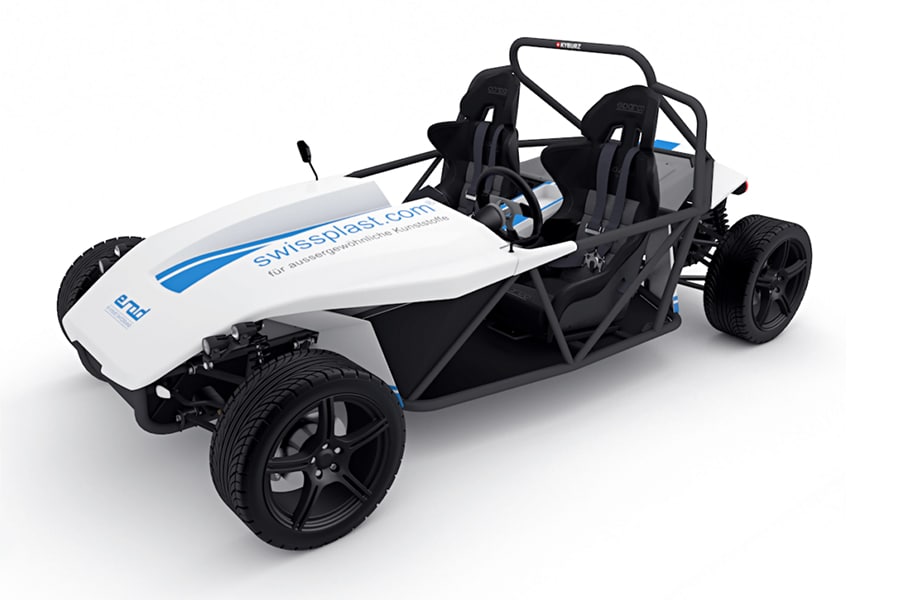
Interesting facts about prototypes made from thermoforming plastic
Prototyping is the process of producing an early model or preliminary version of a product to test its design, functionality and manufacturability. A prototype is a realistic representation of the final product, but may differ in material or manufacturing process. Prototyping is an essential step in product development as it allows potential weaknesses to be identified and improvements to be made before investing in series production. Prototypes are often used to visualize concepts, carry out functional tests or obtain initial customer feedback. Depending on the development phase, these can be simple concept models or high-precision functional prototypes. Prototyping offers flexibility, promotes innovation and reduces development costs and risks in the long term.
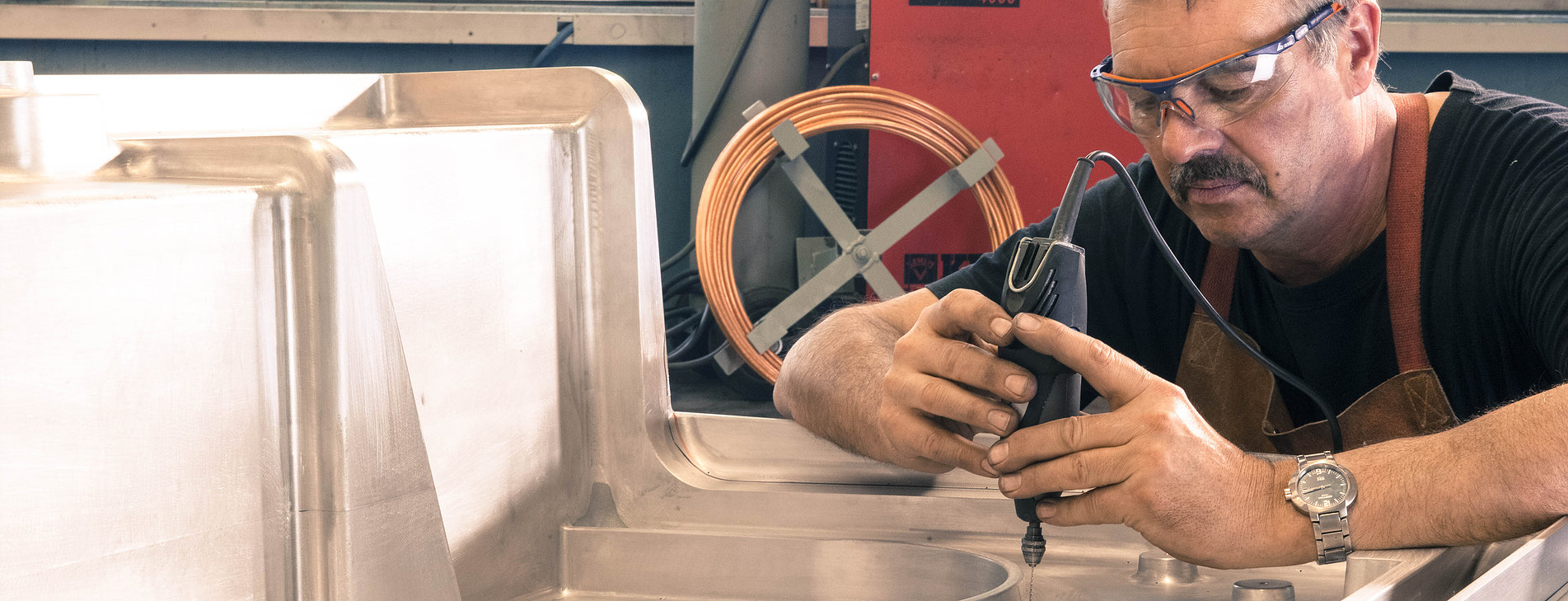
The production of prototypes using thermoforming plastic is extremely cost-effective, especially compared to more complex processes such as injection molding. The tools required for thermoforming are often made of inexpensive materials such as aluminum or wood and can be adapted quickly and easily. This makes the process particularly suitable for small quantities and early development phases in which design changes occur frequently. In addition, the material costs are usually lower as thinner plastic sheets can be used. These cost advantages make it possible to produce several iterations of prototypes without putting a significant strain on the budget. Particularly in industries where fast and flexible product development is required, such as the automotive or consumer goods industries, thermoforming plastic offers an economical alternative to other manufacturing processes.
The deep-drawing process enables prototypes to be produced quickly, as tool preparation takes less time than with other production methods. The molds can be adapted quickly, which facilitates iterative development processes. Prototypes can be created and tested within a few days, significantly reducing development times. Changes to the design can be easily implemented as mold modifications are usually straightforward. This is particularly useful when quick feedback from tests or customers is required. The combination of short production times and high flexibility makes the process an ideal choice when prototypes are required in the early development phase or when different variants need to be tested simultaneously.
Thermoforming plastic can be used to create complex and detailed geometries that are difficult to realize with other processes. The material is easy to shape, enabling the production of prototypes with integrated functions such as recesses, reinforcements or brackets. This design flexibility allows different shapes and functions to be tested in a single iteration without the need for complex adjustments. In addition, the prototypes can be manufactured directly in the later production geometry, making it easier to check functionality and fit under realistic conditions. This makes thermoforming plastic an excellent choice when developing creative or technically challenging designs.
The thermoforming process offers a wide selection of plastics with different properties. Depending on the requirements, materials such as ABS, PET or polycarbonate can be used, which have high impact strength, temperature resistance or transparency, for example. This variety of materials makes it possible to produce prototypes that come very close to the final product properties. As a result, development and practical tests can be carried out realistically. In addition, different material thicknesses can be used to influence the stability or flexibility of the prototype. The ability to select suitable materials makes thermoforming plastic particularly attractive for prototypes in industries with specific technical requirements, such as medical technology or electronics.
The thermoforming process can be made sustainable by using recyclable or biodegradable plastics. Many of the materials used, such as polypropylene or PET, can be reused, minimizing waste. In addition, the production of prototypes in smaller quantities makes it possible to reduce material waste, as only the required volume is produced. The ability to recycle leftover materials from production also contributes to sustainability. This approach supports companies that want to focus on environmentally friendly processes and products. By combining material efficiency and reusability, thermoforming plastic represents an environmentally friendly alternative to other manufacturing methods without compromising on quality or functionality.
Would you like to integrate plastic parts into your project and are not yet sure what the final implementation will look like? Commission swissplast with the production of plastic prototypes. We have extensive expertise in product planning, product design and prototype construction. We can advise you on what properties the plastic prototype should have so that you can achieve the final design of the workpiece with as few correction steps as possible. The next step is the order for a small, medium or large series. Here, the product resulting from the prototype is manufactured in the desired quantity and delivered to you for further processing.
The big advantage of building prototypes from plastic is the low risk. Statt eine komplette Serie fertigen zu lassen, werden nur ein paar wenige, verschiedene Prototypen aus Kunststoff gebaut, die Sie für die individuelle Verwendung und den jeweiligen Einsatzort testen können. Design inaccuracies can be eliminated and final adjustments made. In the next step of prototype construction, these models are transferred to the product, which is manufactured in the quantity you require. The use of our plastic prototypes therefore minimizes the risk of a large number of parts exhibiting defects. Only when the design has been revised and perfected with the help of the prototype do we start series production. Prototype construction therefore reduces the error rate enormously.
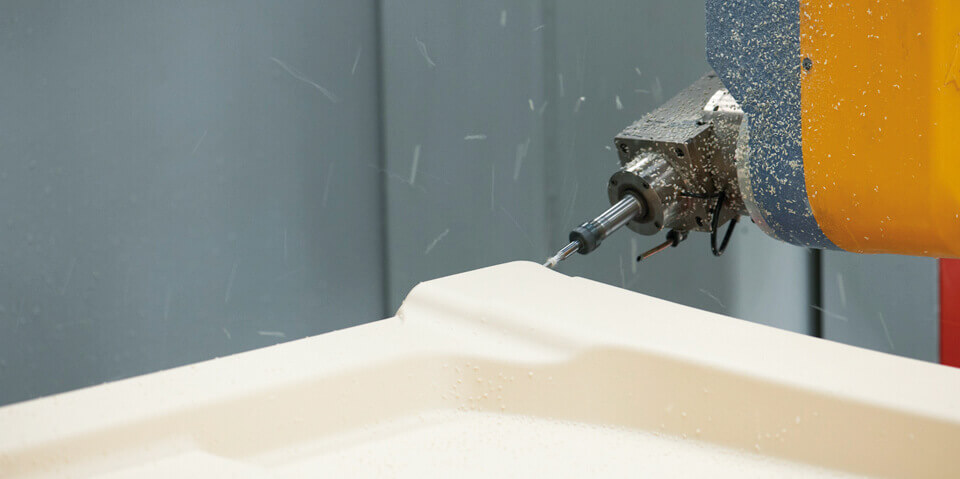
Our technical options for creating the first plastic prototypes are diverse: our plastic thermoforming, which is the most common form of processing at swissplast, is also central here. We have various thermoforming machines that can form prototypes with dimensions of up to 3000 x 2000 x 1000 mm. Of course, CNC milling, twin-sheet construction or assembly production of the prototype can also be used on request and depending on the design of the workpiece. In short: All techniques used in the production of plastic molded parts can also be used for the production of plastic prototypes. As our prototypes are manufactured to the same safety and quality standards, they are environmentally friendly and CO2-neutral thanks to the use of recycled granulate.
Further topics