
Plastic components for emobility
Technical components
Technical components
Lightweight plastic components for effective e-mobility
swissplast has been manufacturing plastic components for the electromobility industry for many years. The advantages of lightweight, attractive and durable plastic parts are particularly important in the e-mobility sector.
These are the advantages of deep-drawn parts for electric vehicles:
Plastic moulded parts for electric vehicles
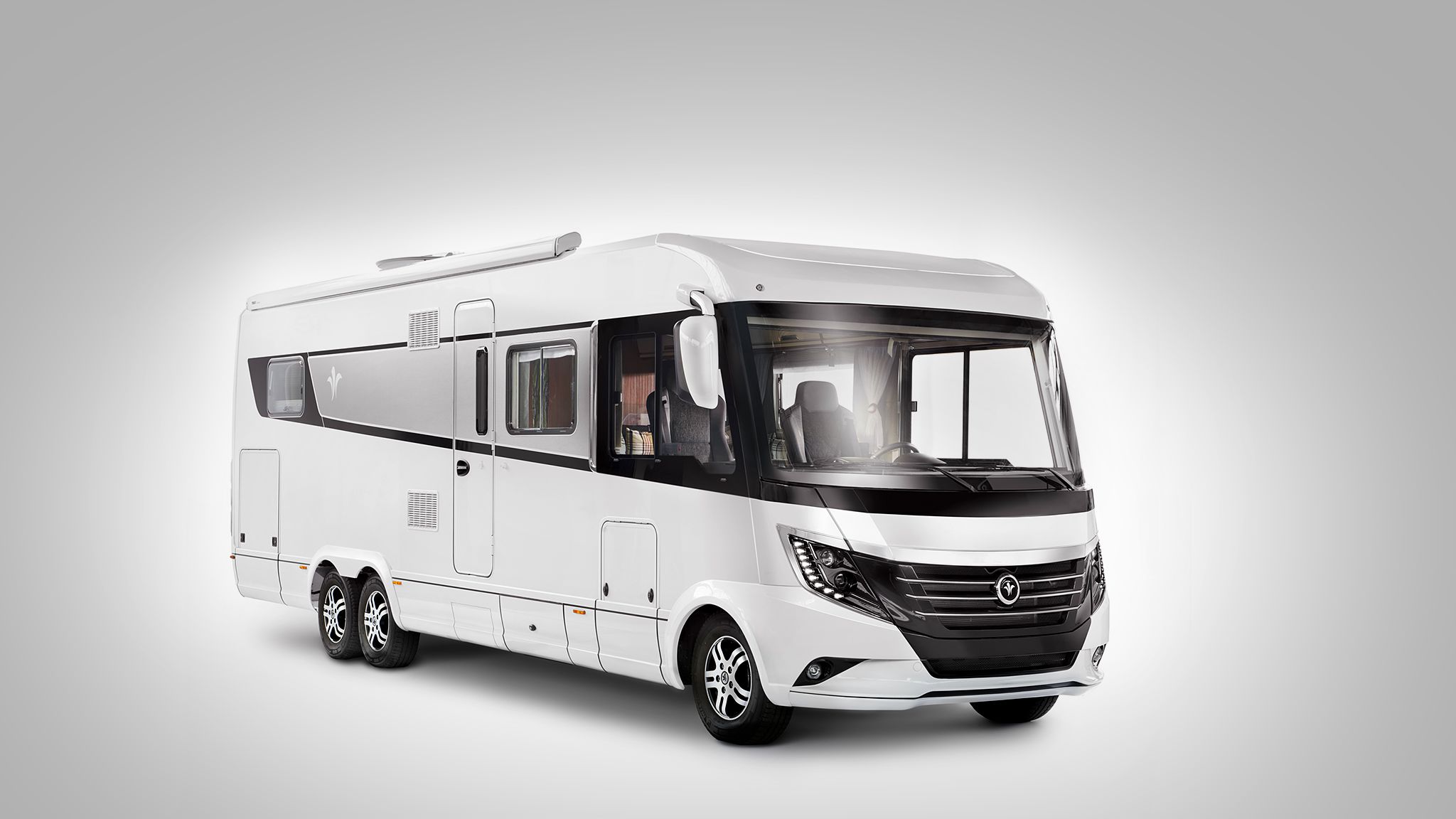
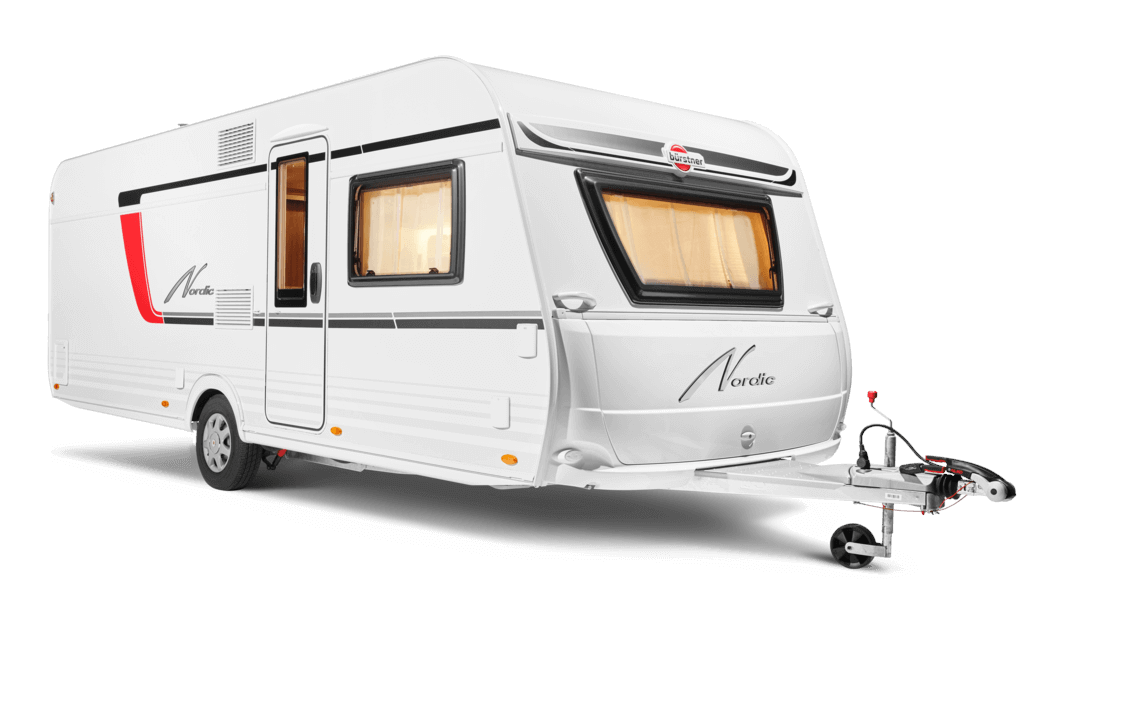
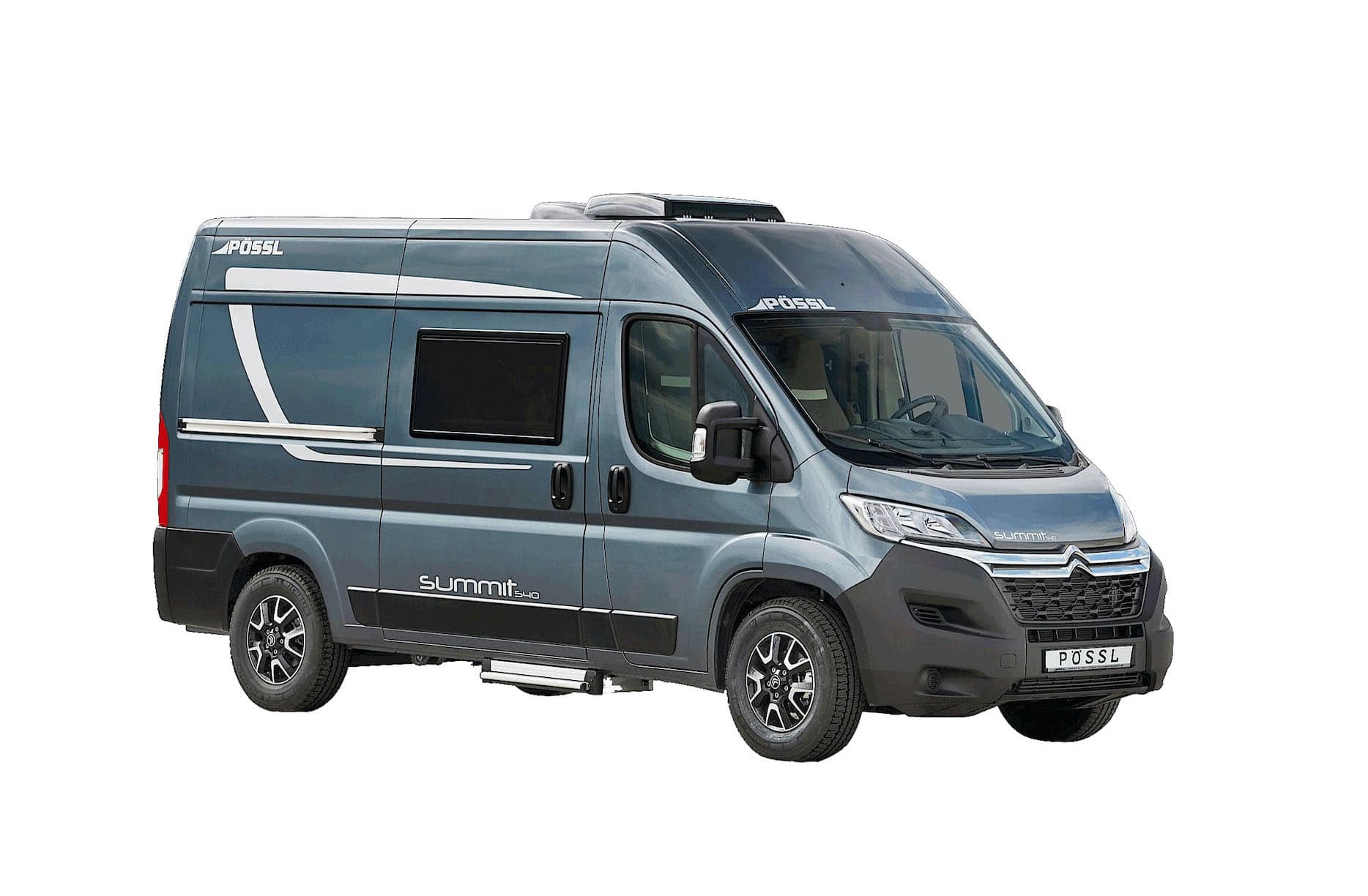
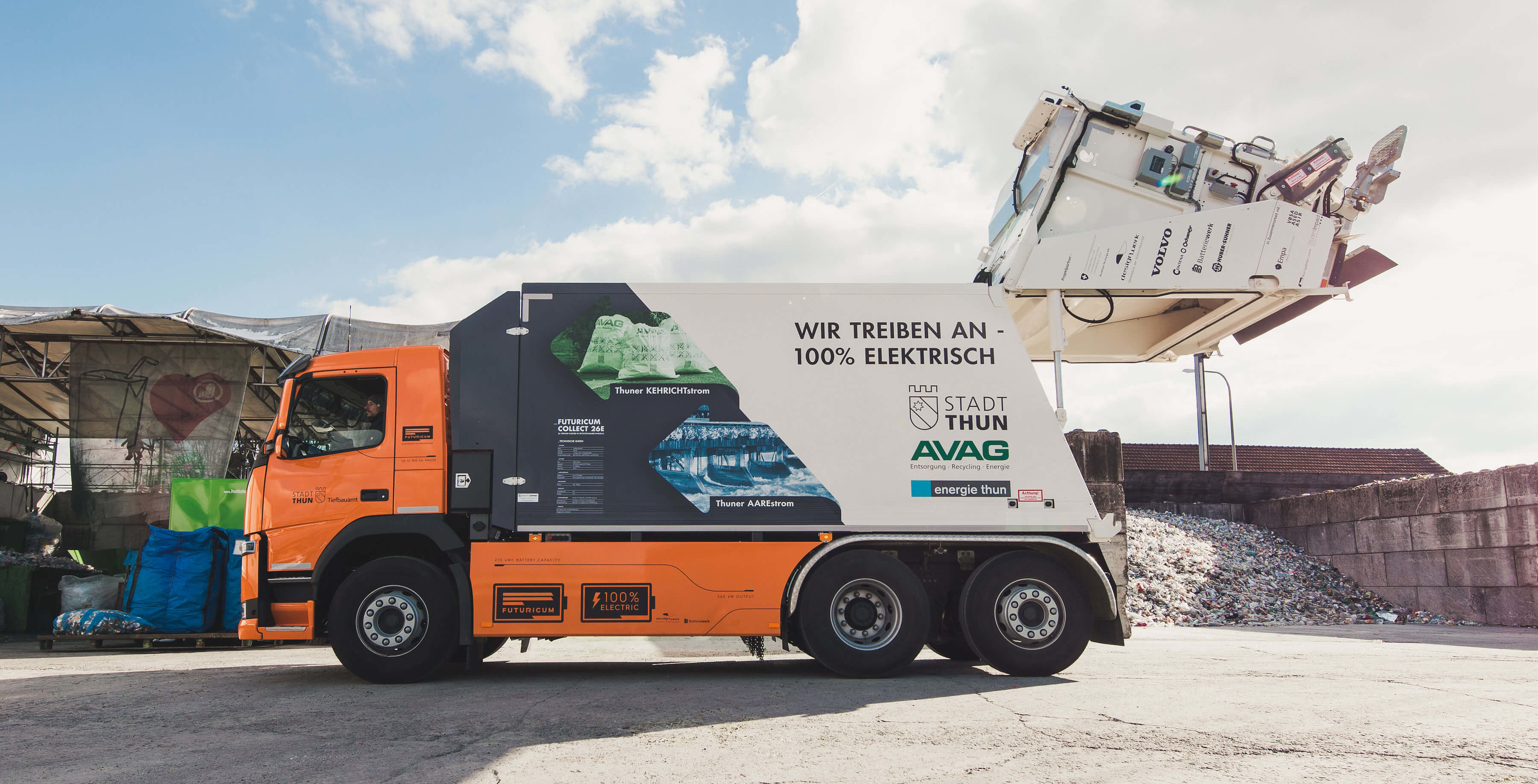
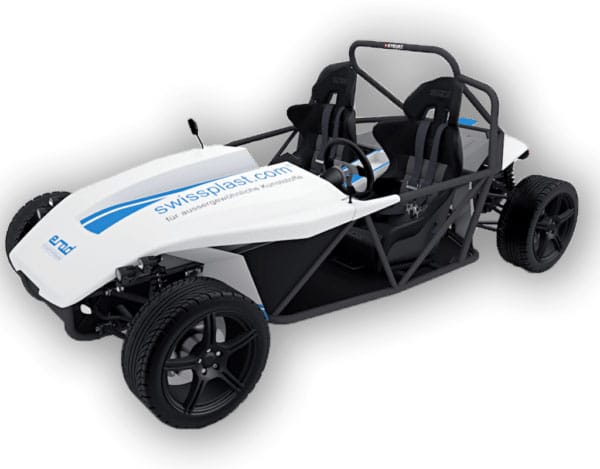
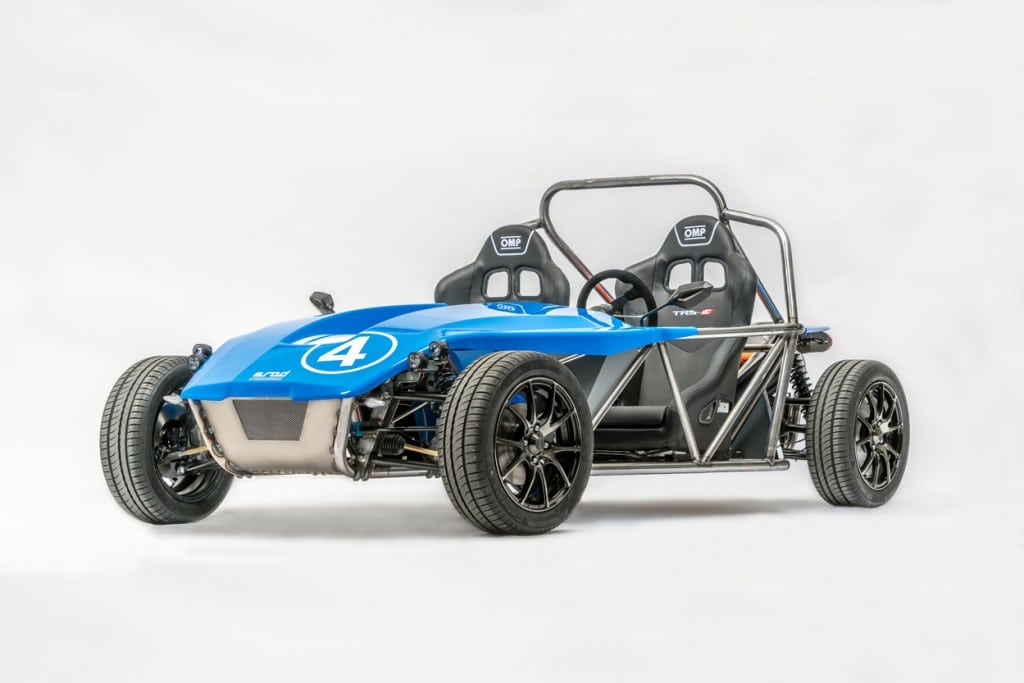
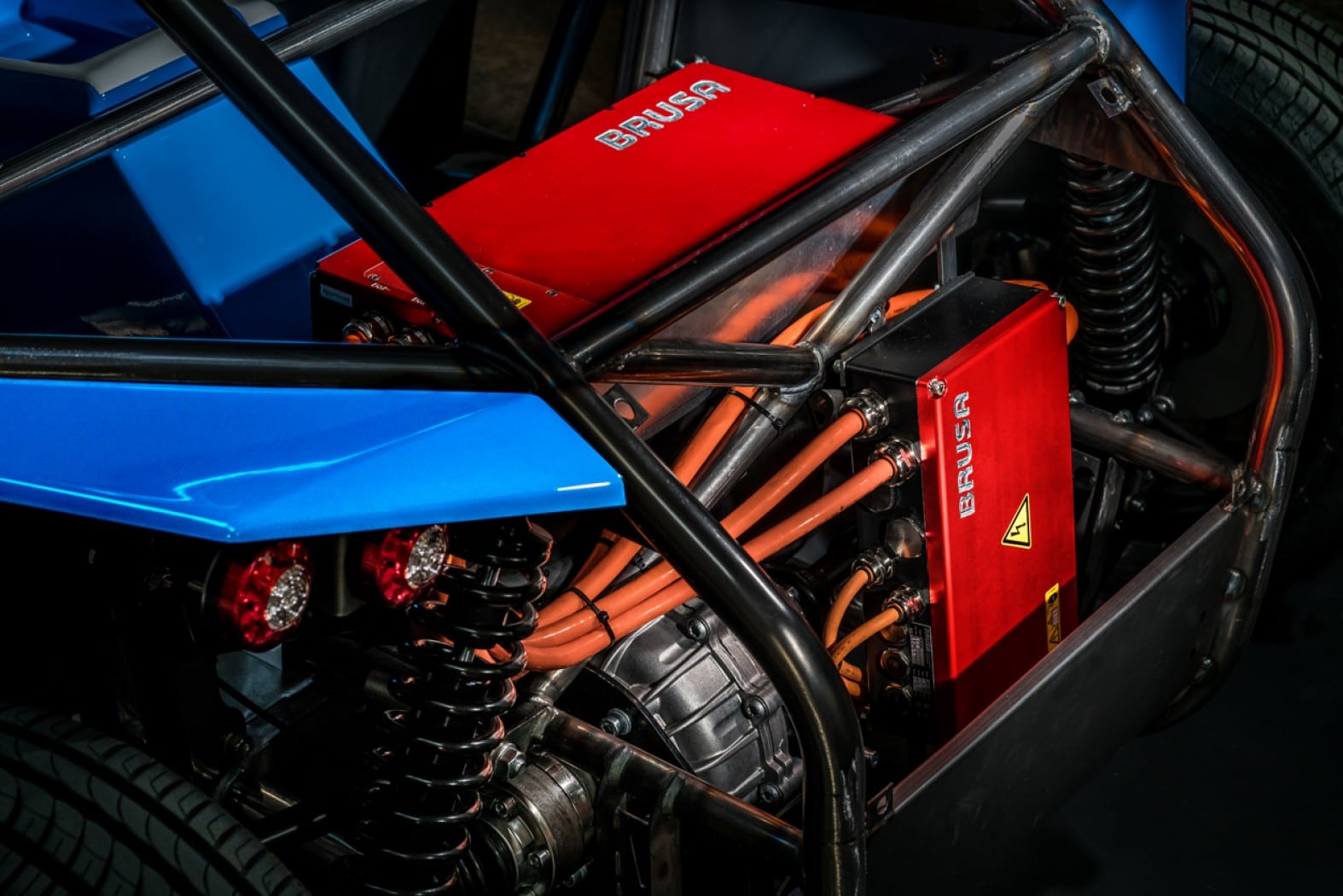
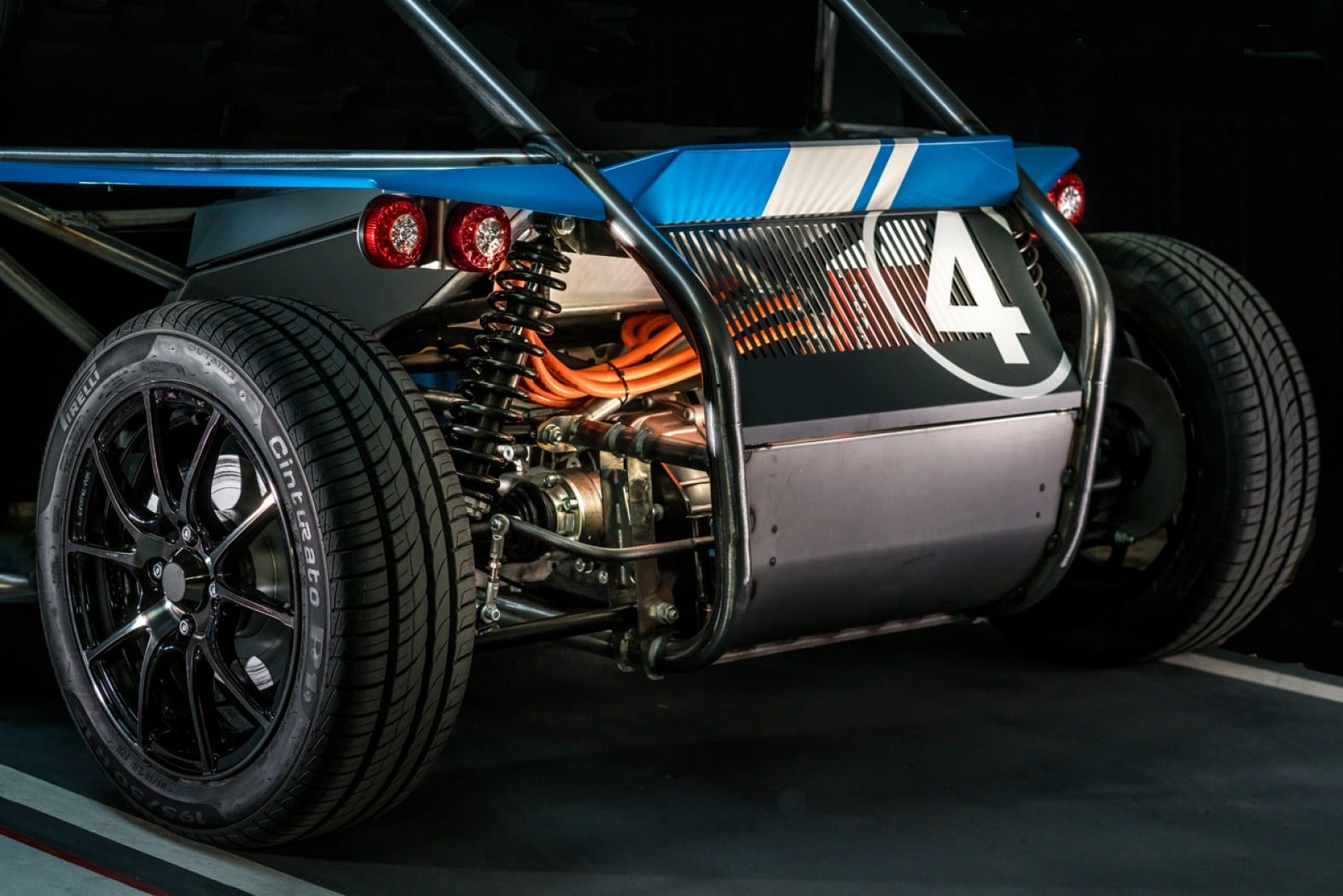
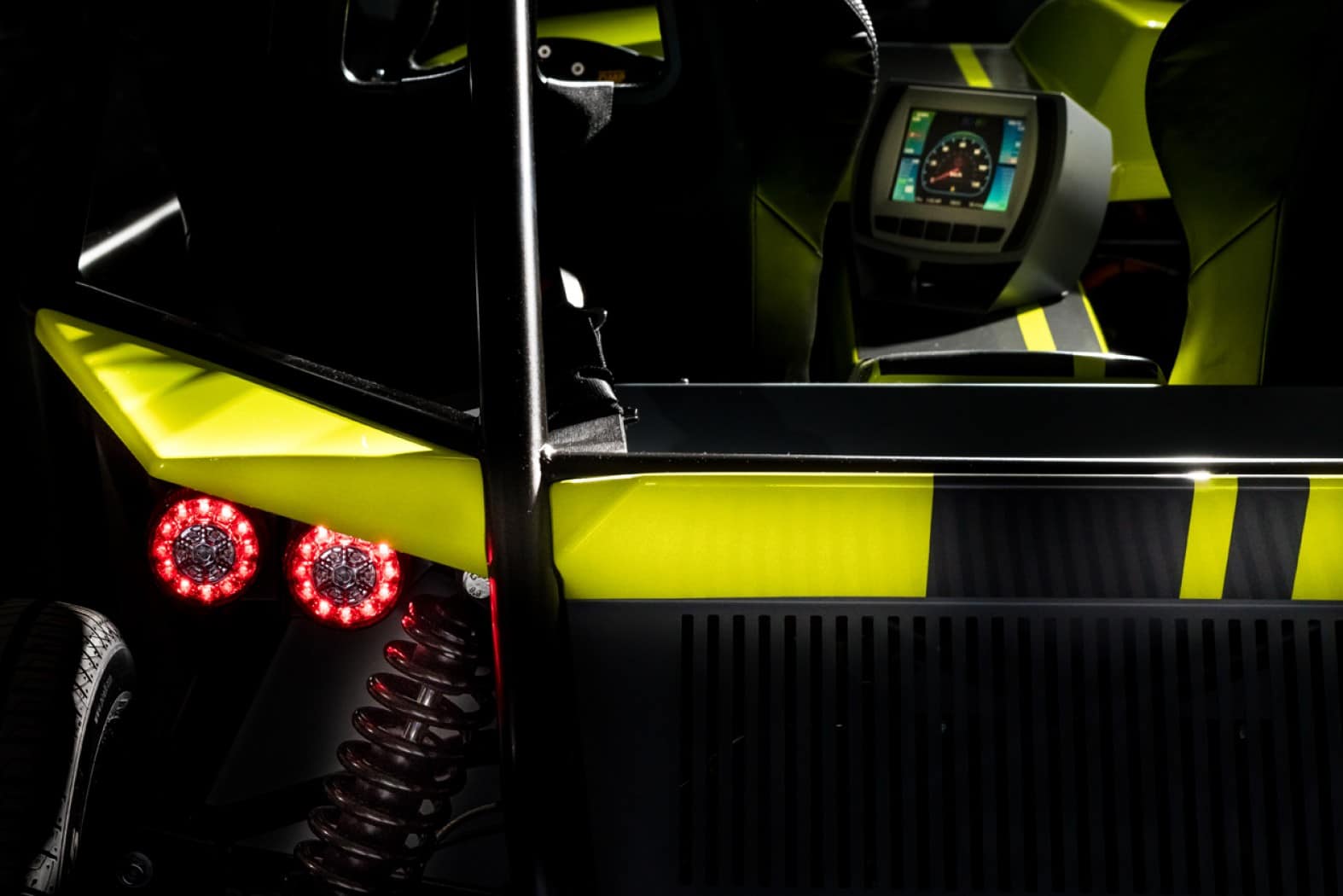
Leading manufacturers count on swissplast’s expertise in the construction of small series vehicles, luxury cars, leisure cars, low-speed vehicles and electric vehicles. For example, we manufacture trim parts and panels for recreational vehicles. Their low weight and high acceleration make them great fun on the road. swissplast produces with the latest technologies and manufactures thermoformed parts for interior and exterior applications, including for your electric vehicles. These include hoods, front hoods, rear hoods, side parts, protective parts and covers. For recreational vehicles in particular, the focus is on low mass, but also on particularly high component stability.
Plastic parts for electric minibuses
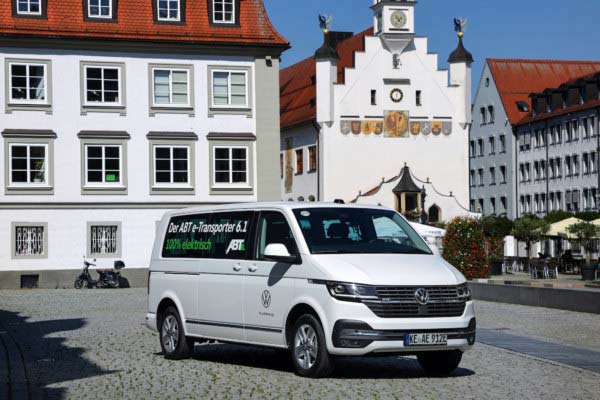
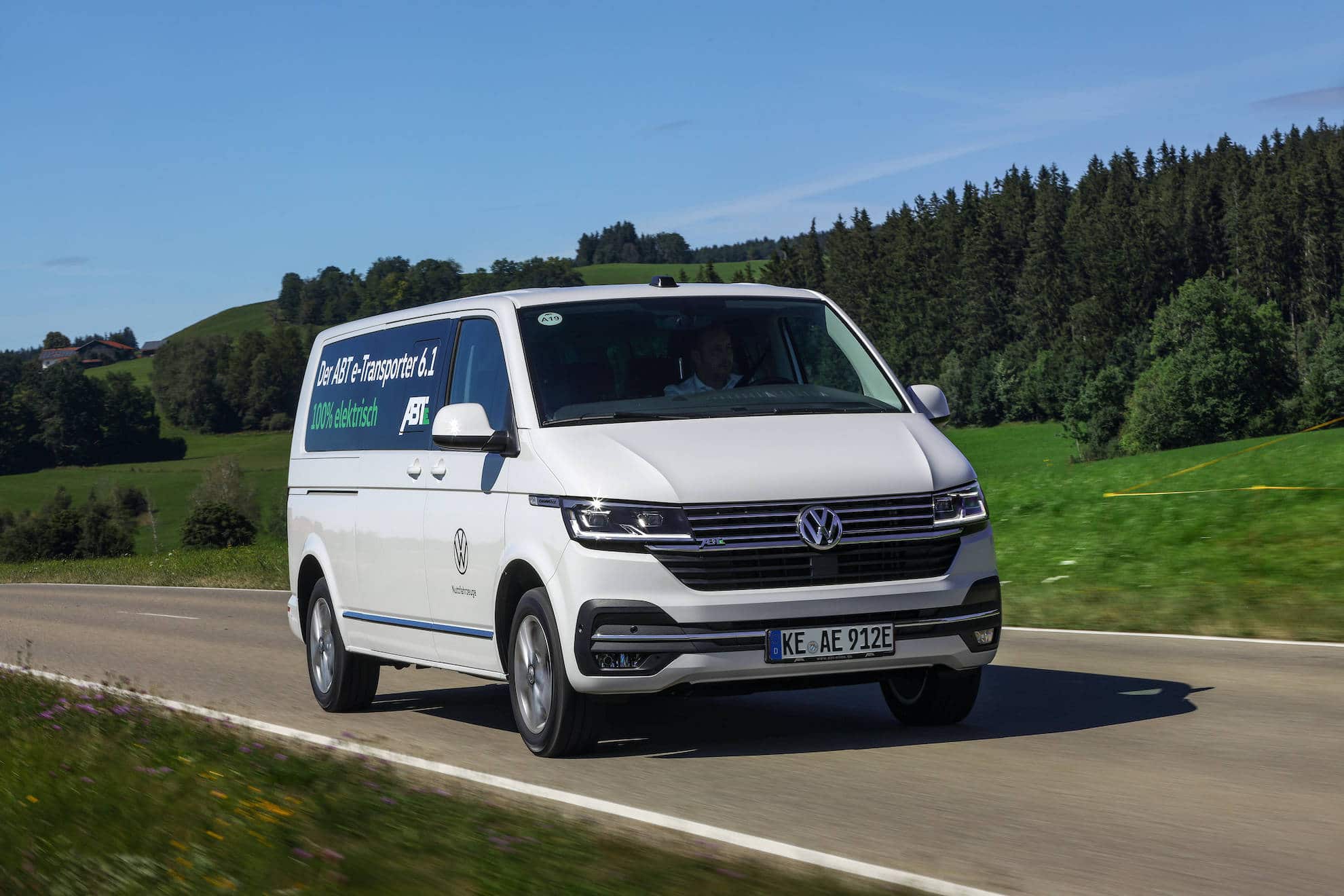
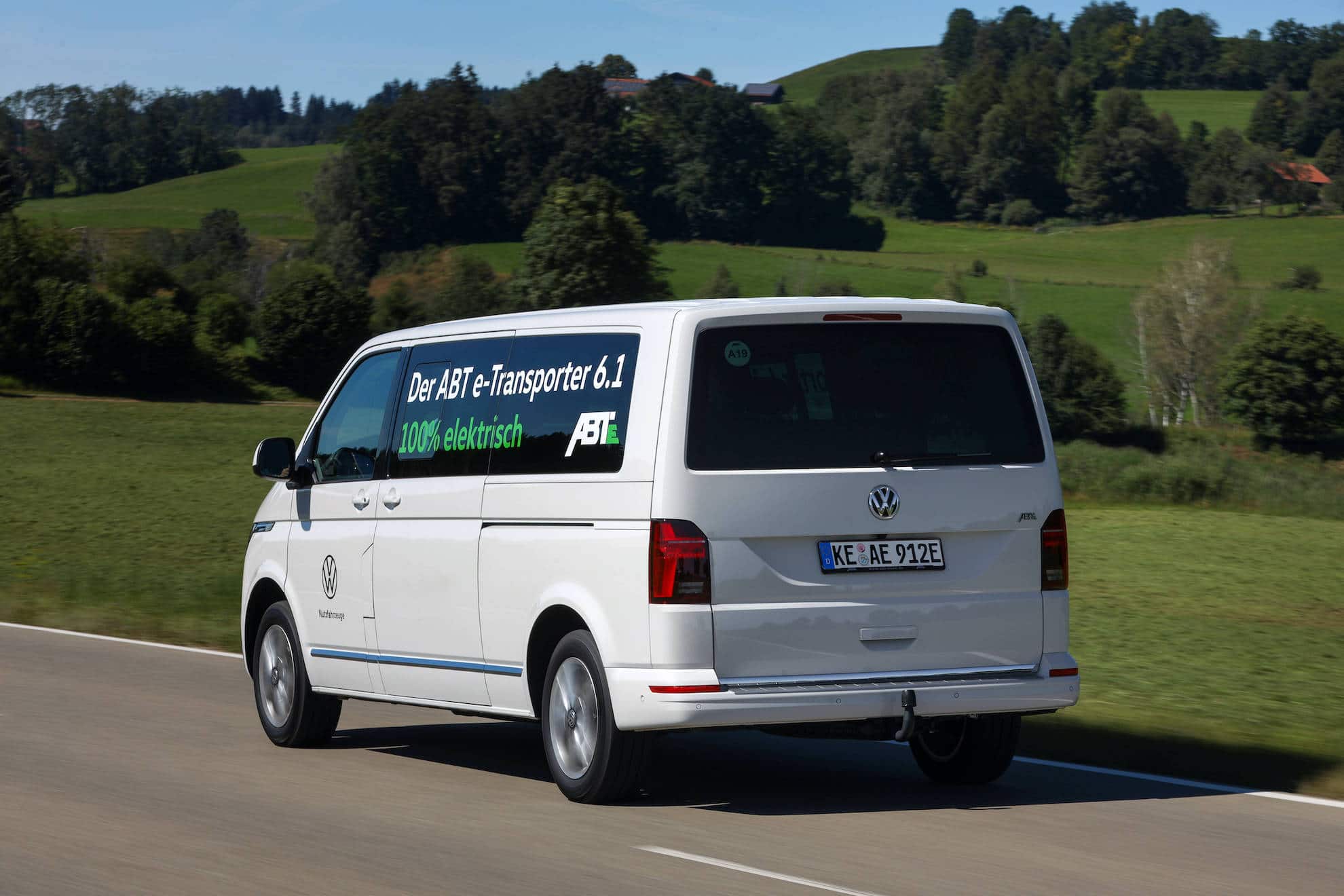
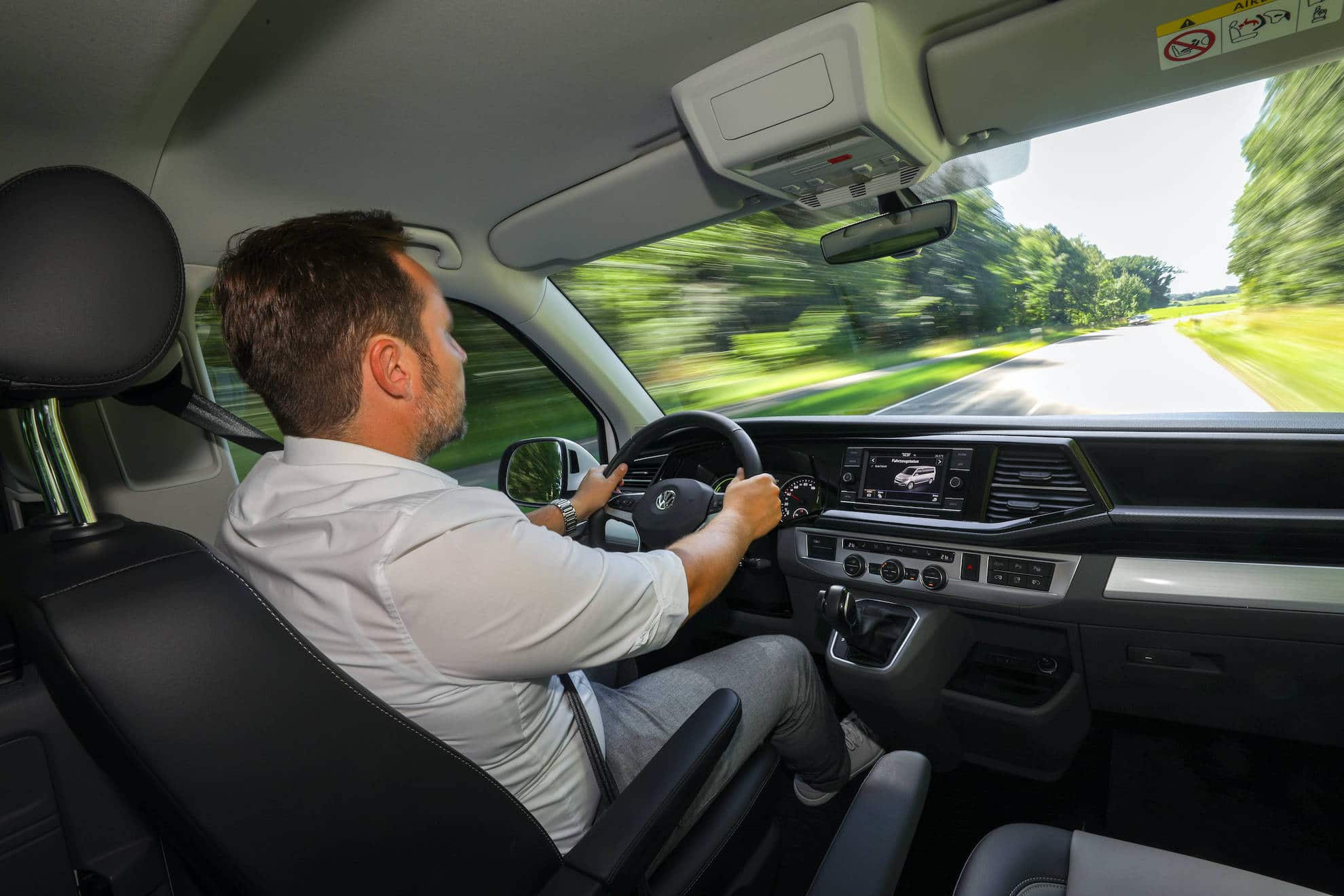
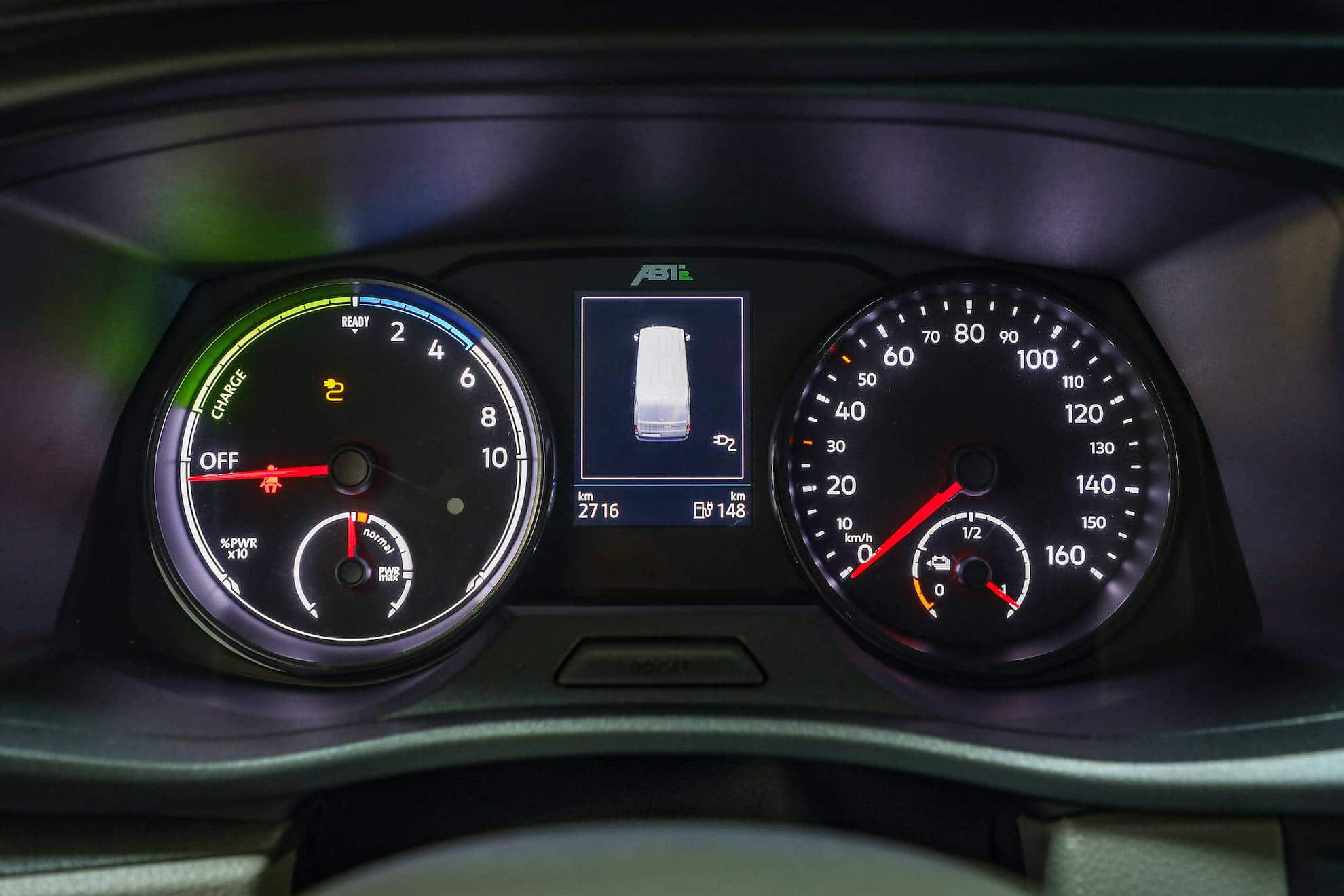
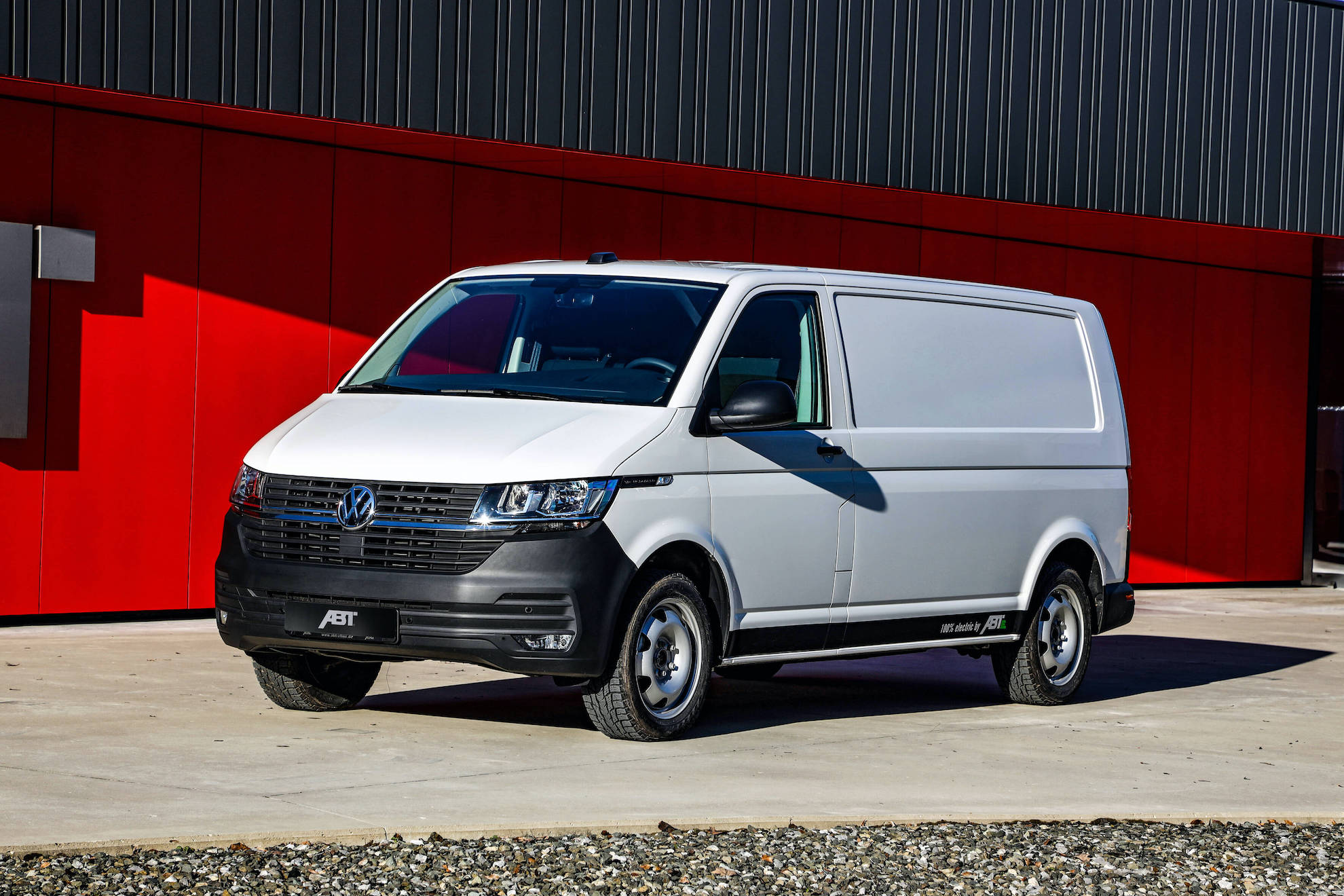
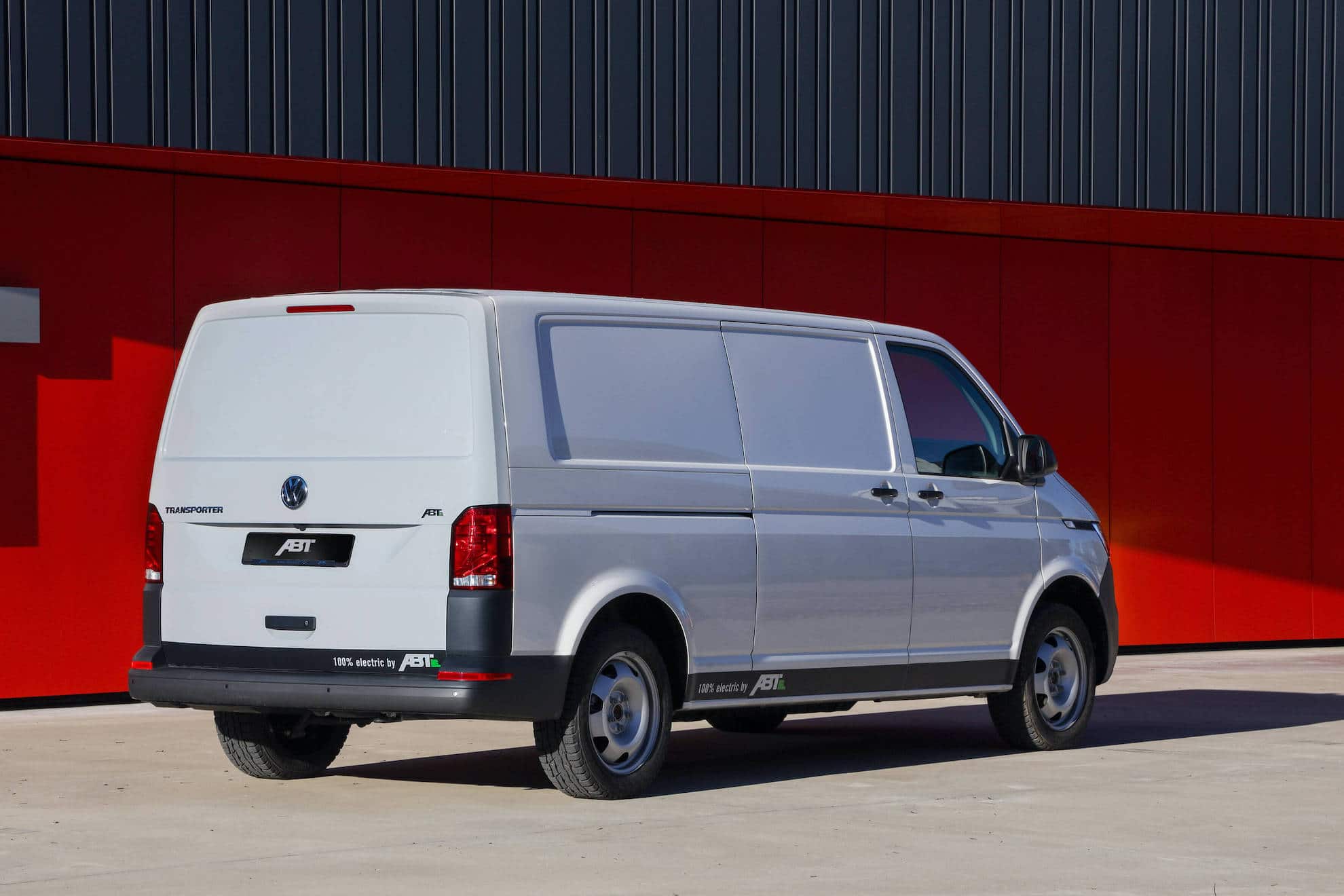
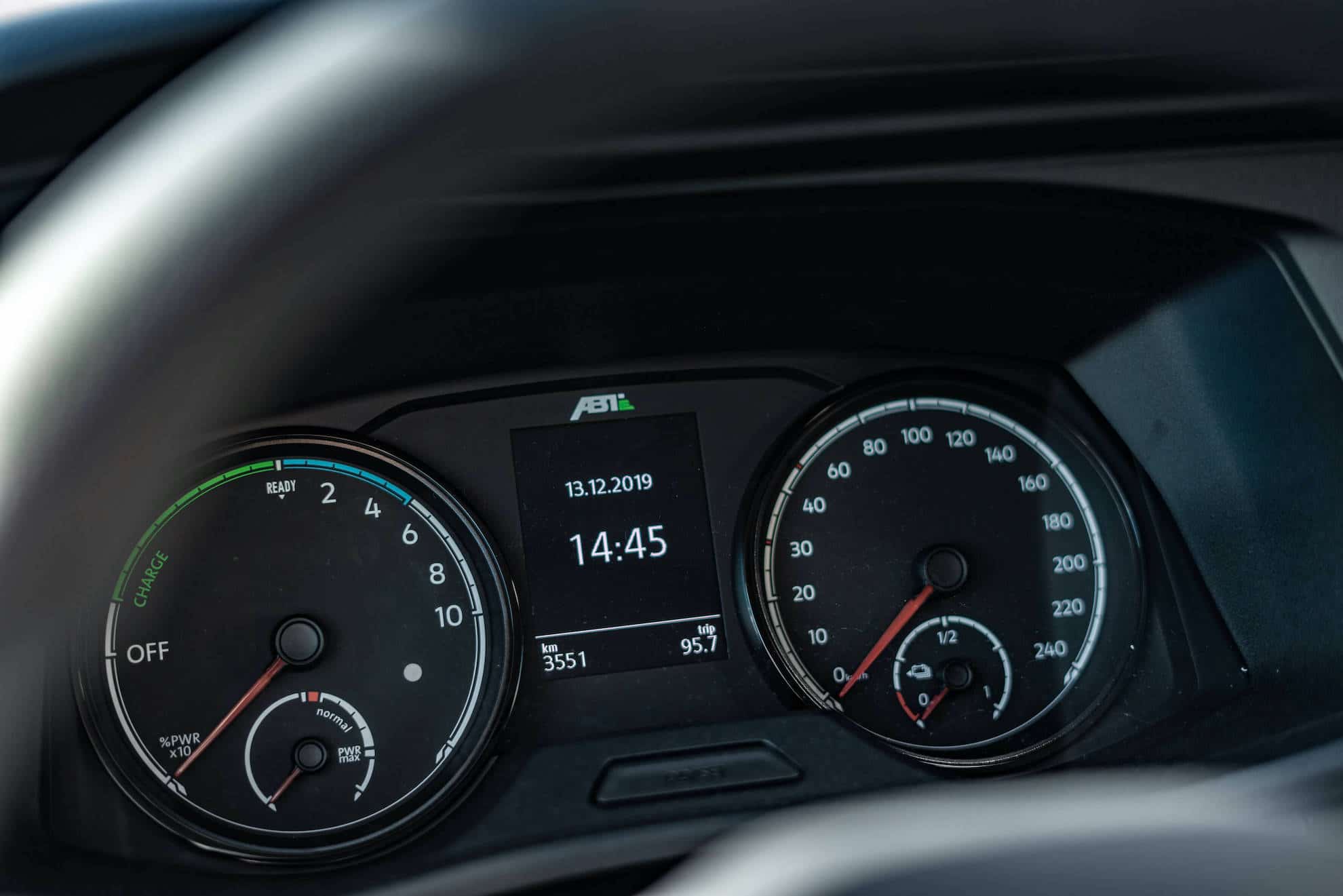
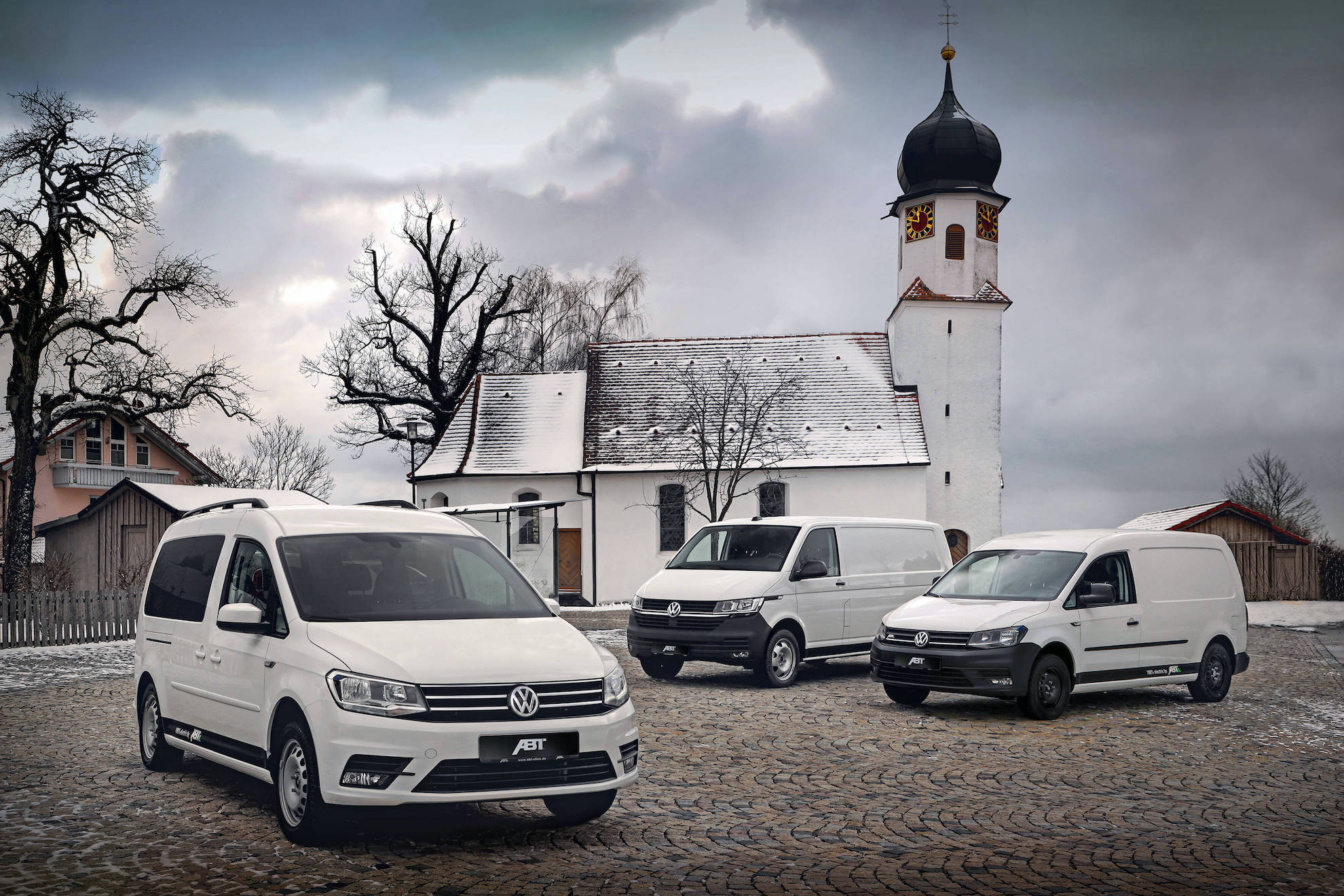
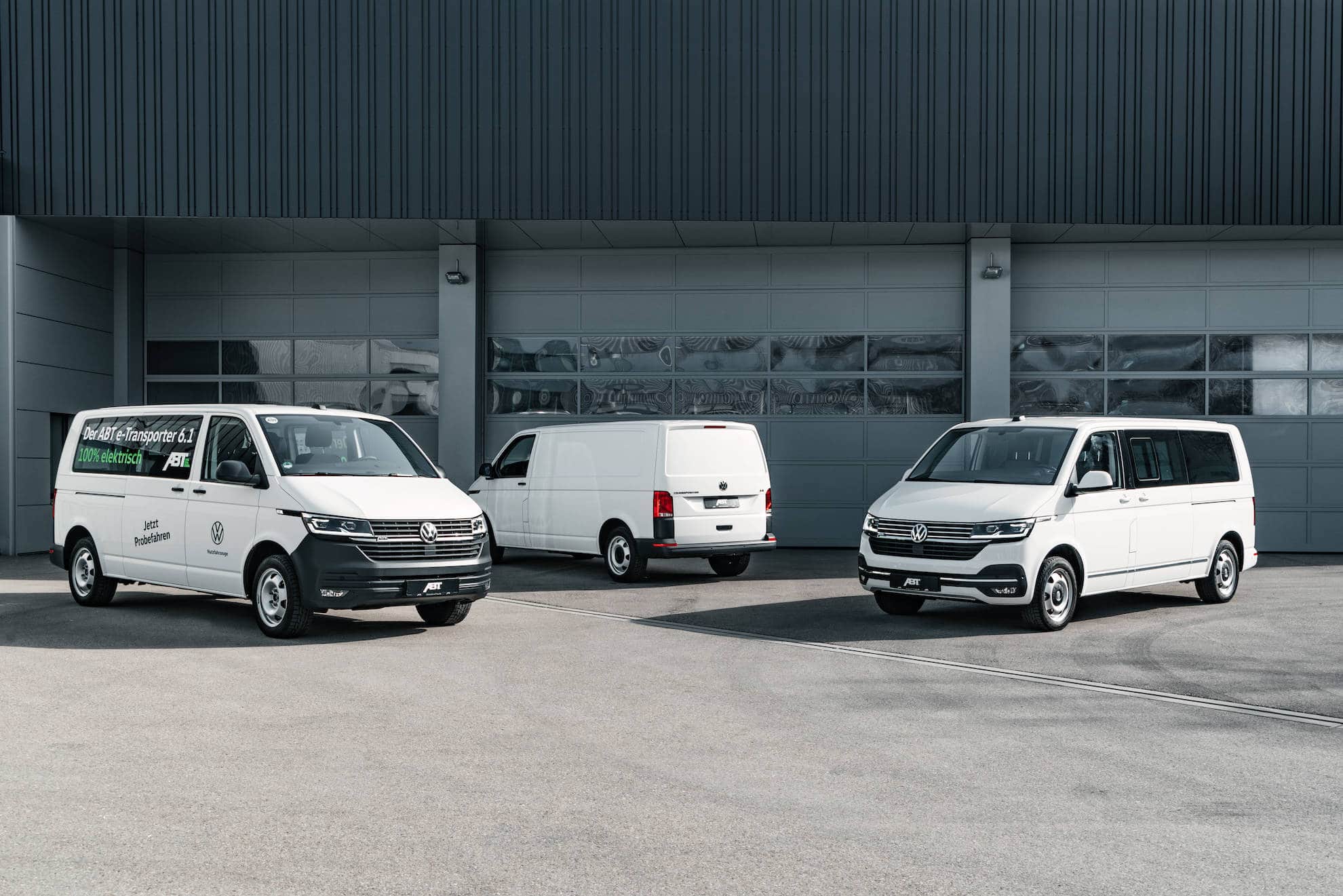
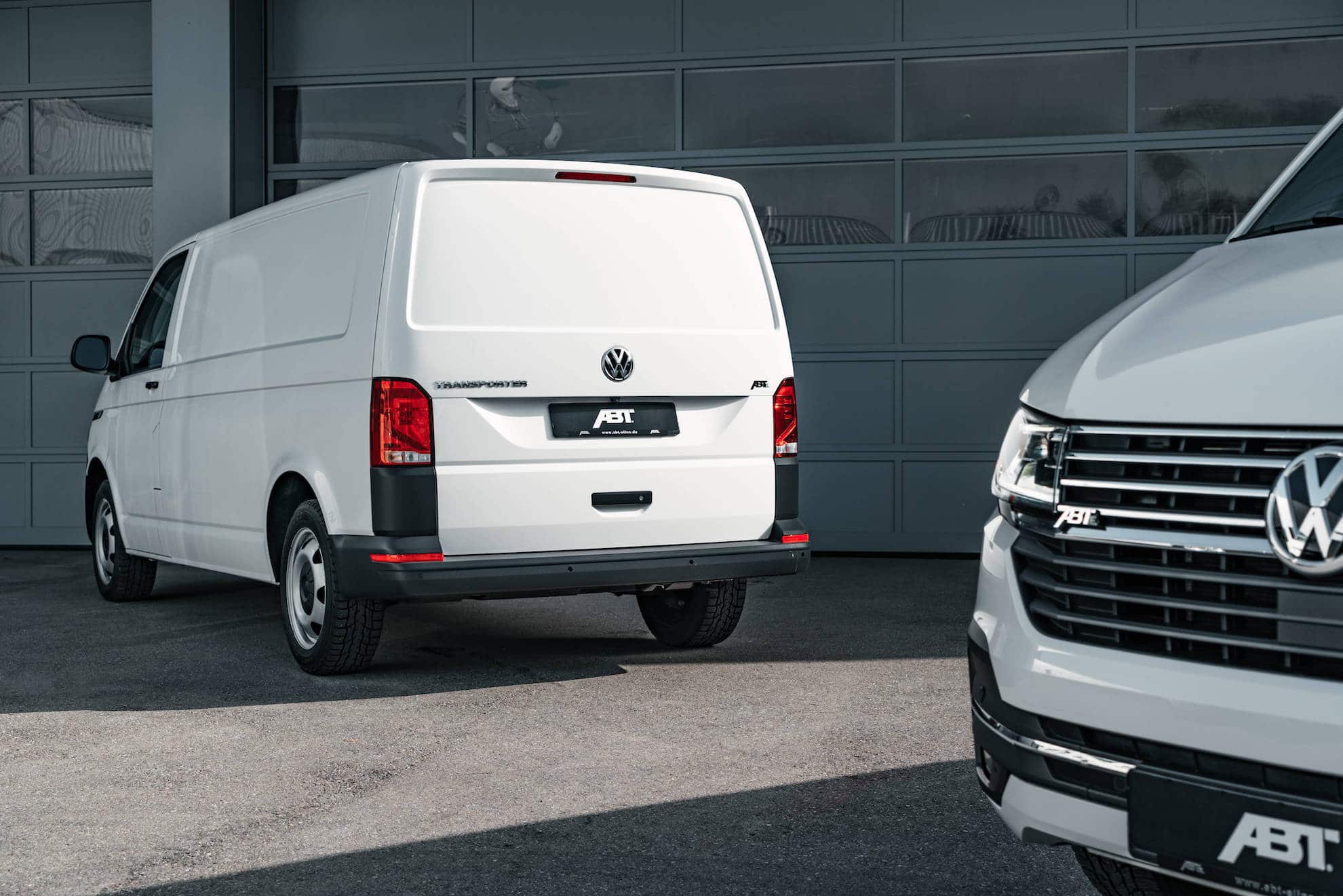
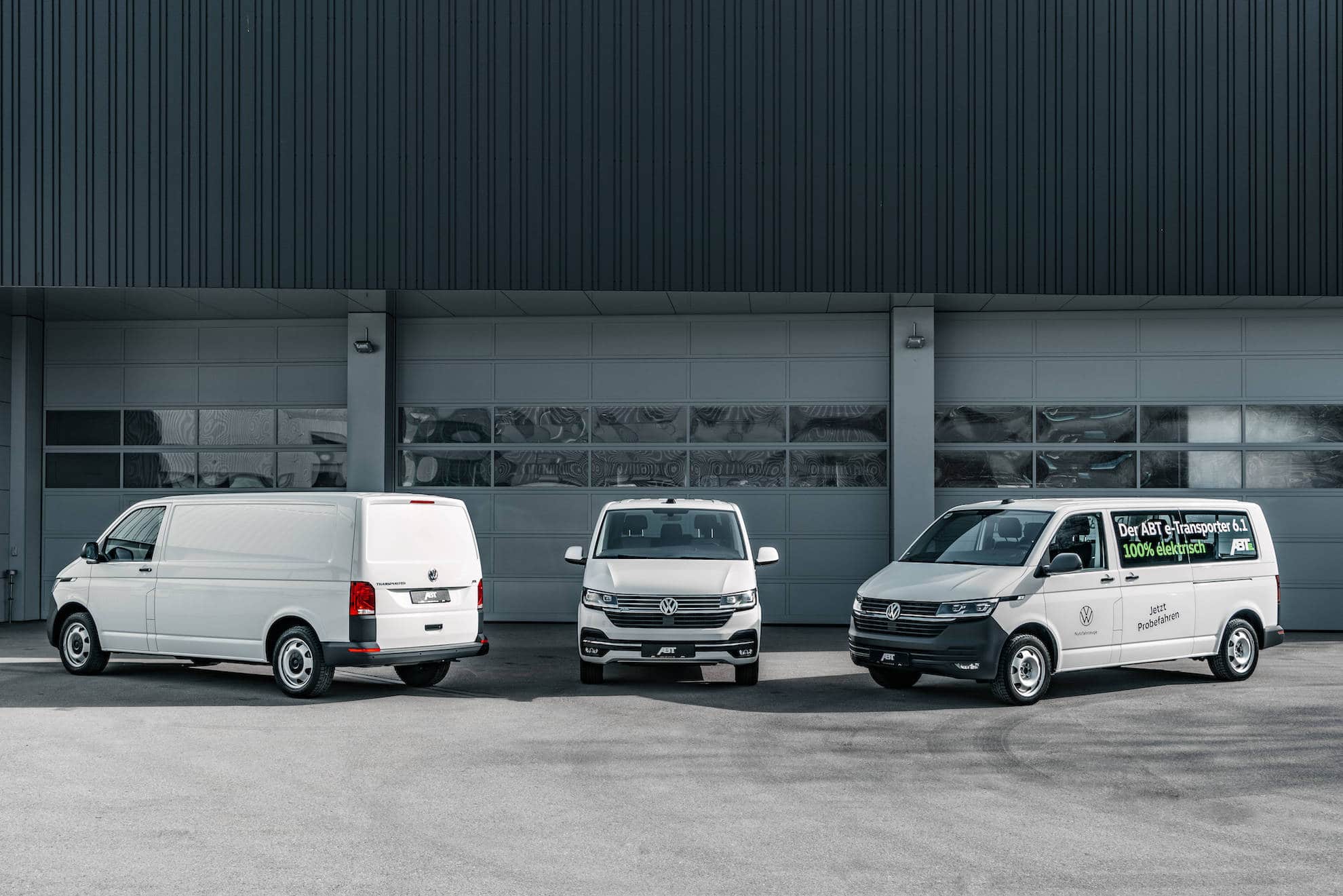
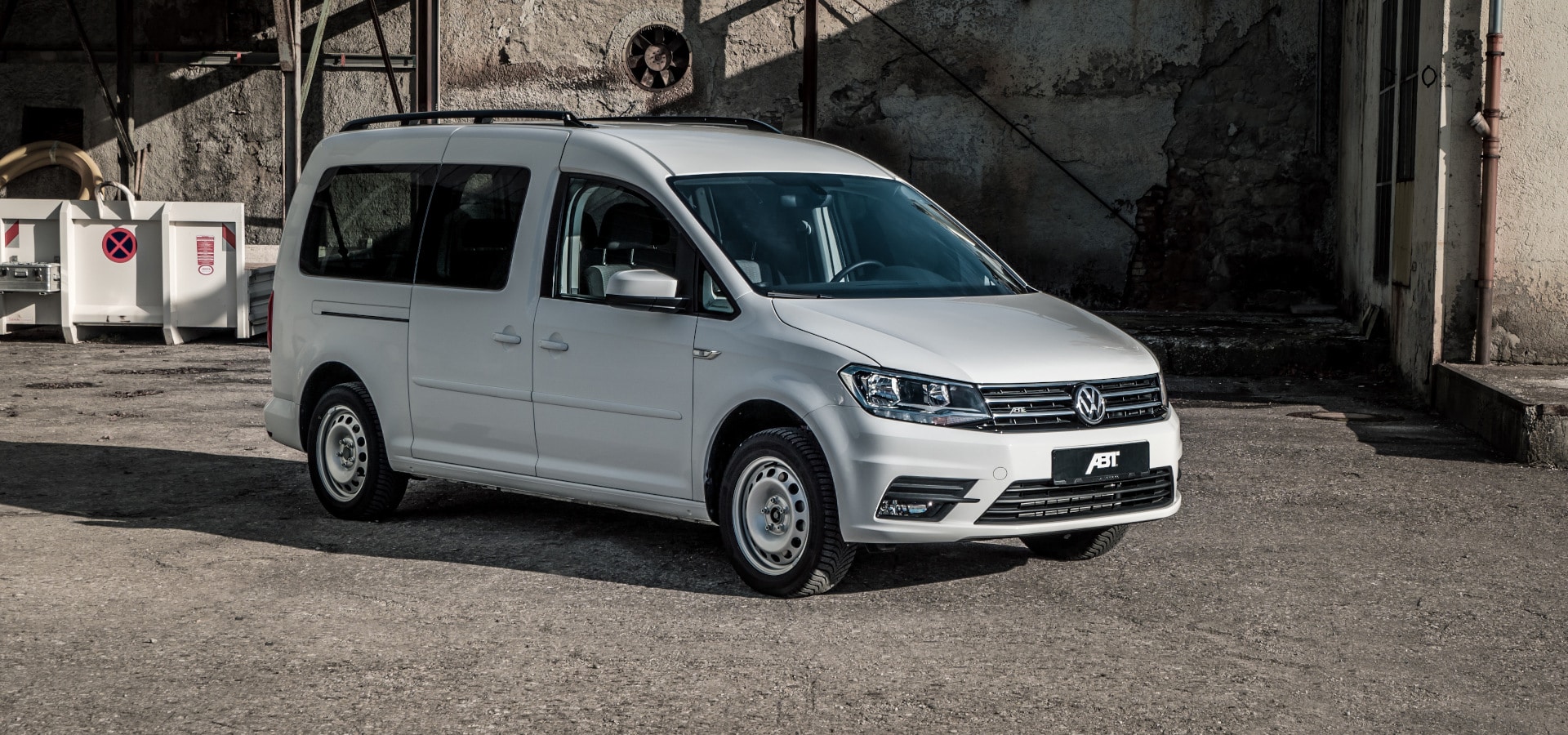
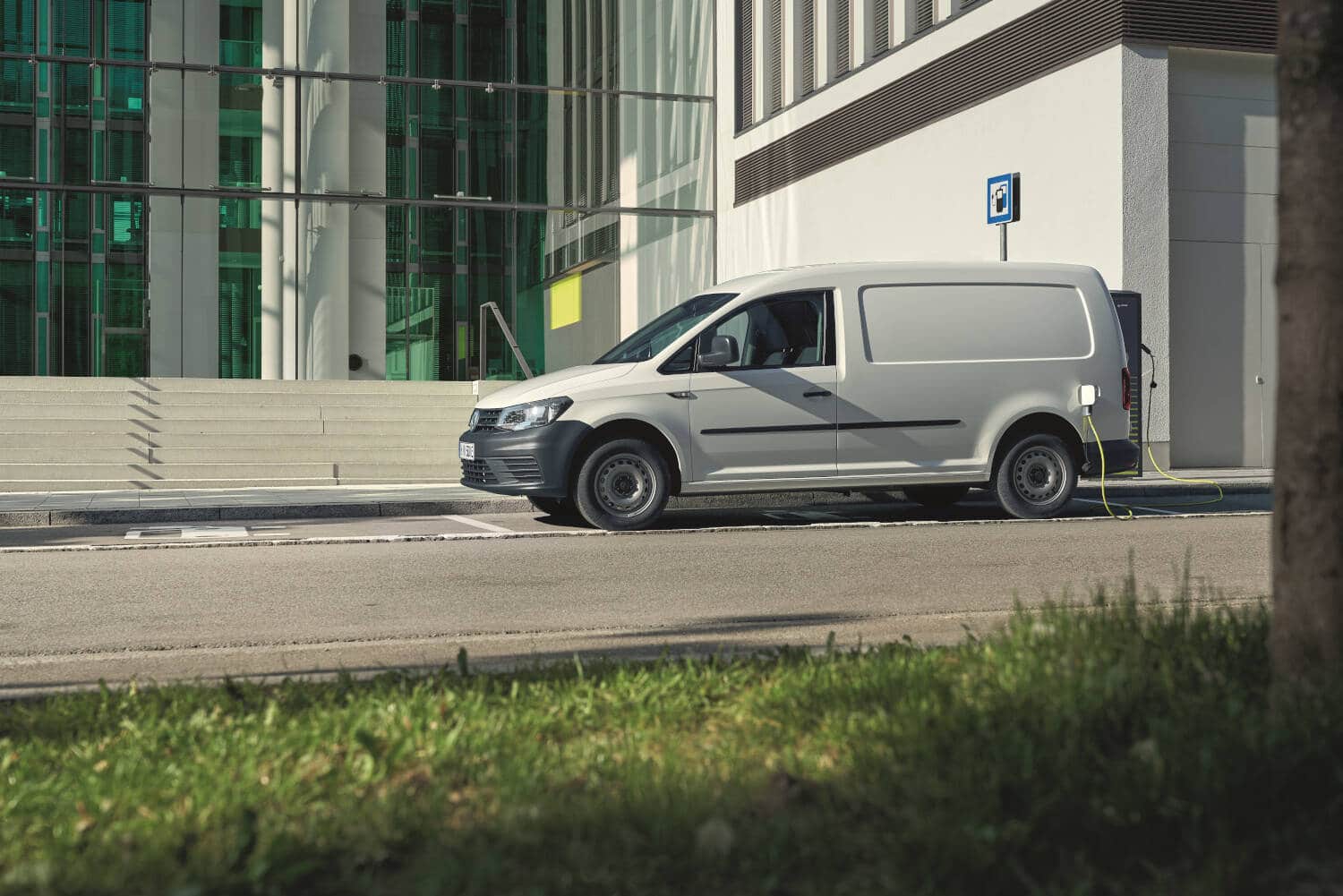
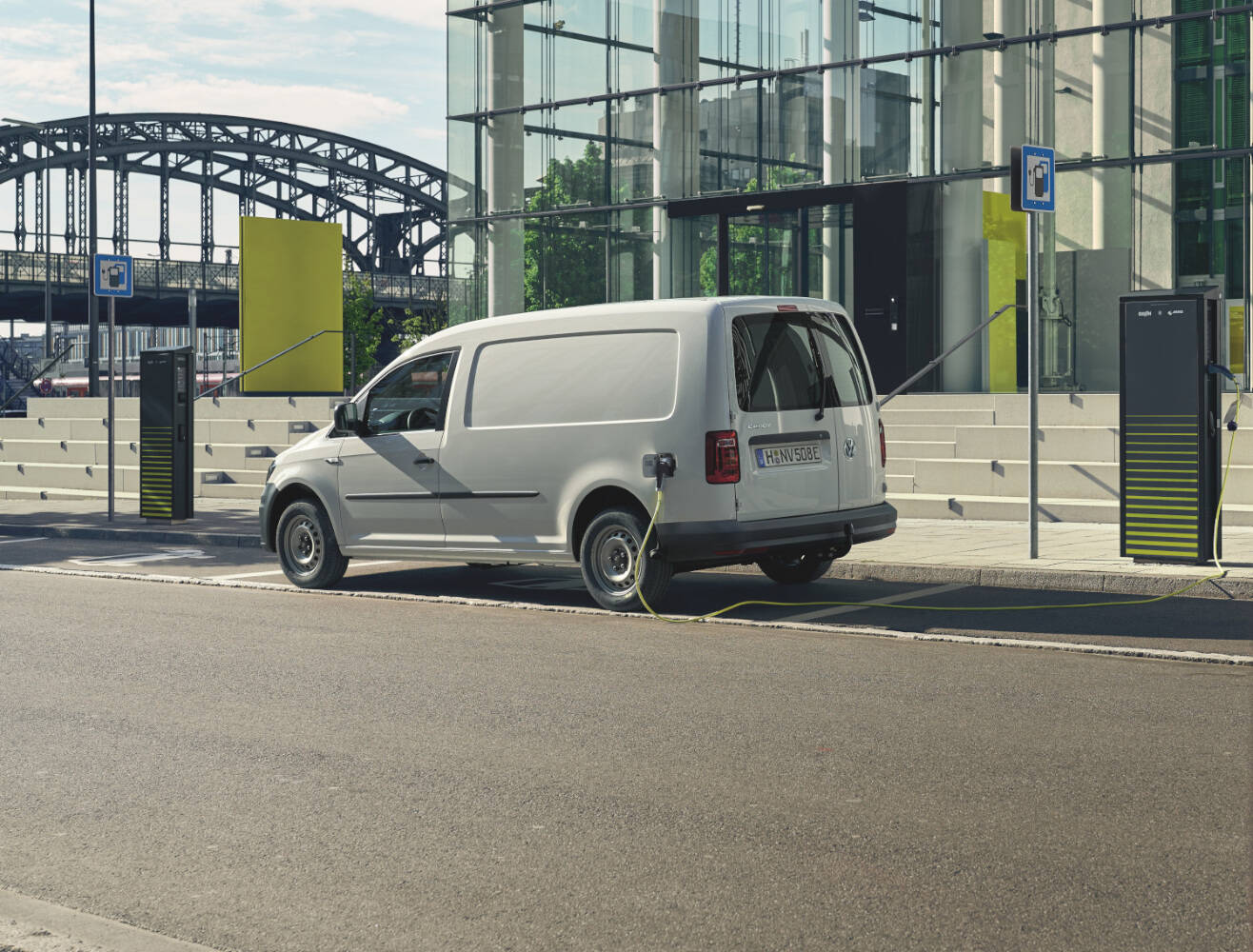
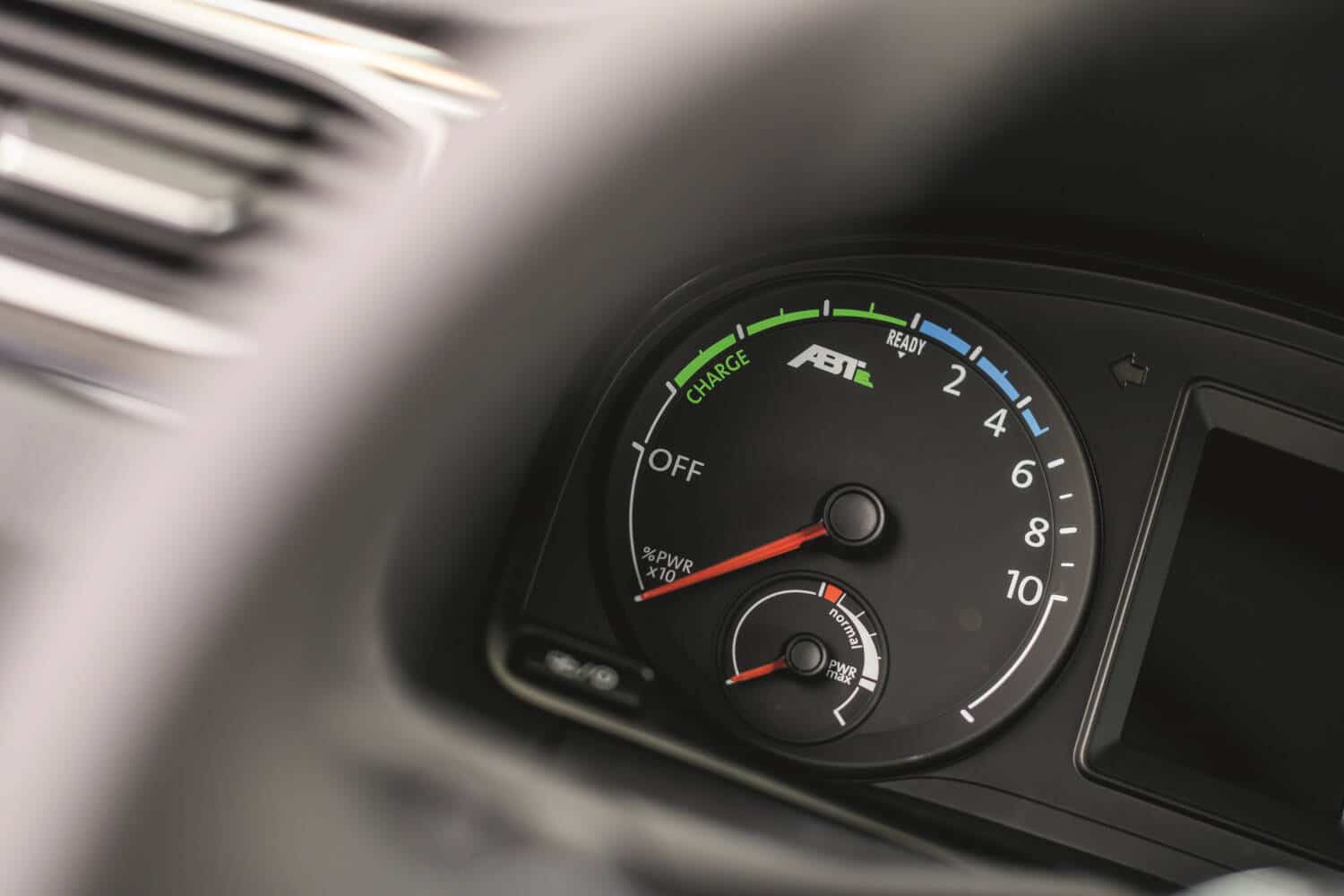
The ABT eT6.1 from ABT e-Line is another example of an application where swissplast contributes plastic parts in the field of electromobility. The Volkswagen T6.1, which is refined by ABT e-Line as an electric drive model, has a grandiose 6.7m3 of cargo space. This is ultimately also made possible by the plastic interior components from swissplast that are installed in the vehicle. Depending on the option, the ABT e-Transporter 6.1 with an output of 83kW has a range of 121km or 138km. Deshalb eignet sich der eT6.1 ausgezeichnet als Stadtstromer beispielsweise im Handwerkswesen oder als Kleintransporter für bis zu neun Menschen.
Advantages of plastic components for emobiles
We produce these components for e-mobiles, among others
We manufacture parts for the following vehicles, among others
The range of products for which we produce deep drawing parts is enormous: from classic e-cars to minibuses and Streetscooters, everything is possible. We produce parts for any vehicle with alternative drives. For example, hybrid vehicles, hydrogen-powered vehicles, municipal vehicles, special vehicles, racing vehicles or buggies. There are virtually no limits to the type of vehicle. We would be happy to support you and your project in the production of components for electric vehicles.
Picture gallery e-mobiles



Interesting facts about deep-drawn parts for electric vehicles
In electromobility, every gram counts: the lighter the vehicle, the greater the range and energy efficiency. Thermoformed parts made from thermoplastics make a decisive contribution here. Through the targeted use of thin-walled yet stable plastic components, complex geometries can be realized with minimal use of material – without sacrificing strength or functionality. Particularly in the area of cladding, interior elements or technical functional components, deep-drawn parts enable a significant reduction in weight compared to traditional metal solutions. At the same time, short cycle times and economical series production speed up production. The lightweight construction advantage not only has a positive effect on energy efficiency, but also contributes to CO₂ reduction and sustainability. Deep-drawing technology is therefore a key element for future-proof vehicle concepts in e-mobility.
The interior of modern electric vehicles combines functionality with sophisticated design – thermoformed parts play a central role in this. Thermoforming makes it possible to create individual geometries, flowing shapes and structured surfaces that are not only aesthetically pleasing, but also meet the highest haptic and functional requirements. Whether door panels, center consoles or trunk linings: thermoformed parts enable seamless transitions, concealed fastenings and the integration of additional functions such as brackets, air ducts or sound insulation. The process also allows for a wide range of materials and decors – from high-quality plastic to textile surfaces. This results in flexible, economical solutions that combine design freedom with series production readiness. In e-mobility, the interior becomes an expression of brand identity – and thermoformed parts are the key to creative implementation.
For applications in electromobility, thermoforming offers an impressive variety of materials with tailored properties. From ABS and polycarbonate to recycled materials, plastics can be specifically selected to meet mechanical stability, temperature resistance or optical requirements. Depending on the area of application – whether interior, battery housing or technical cladding – materials are used that are flame-retardant, UV-resistant, sound-absorbing or chemical-resistant. Multi-layer thermoforming also makes it possible to combine several functions in a single component. The high degree of design freedom is fully retained. Weight, costs and environmental impact can be optimized through targeted material selection. This results in intelligent plastic solutions that are tailored to the special requirements of e-mobility – efficient, sustainable and future-proof.
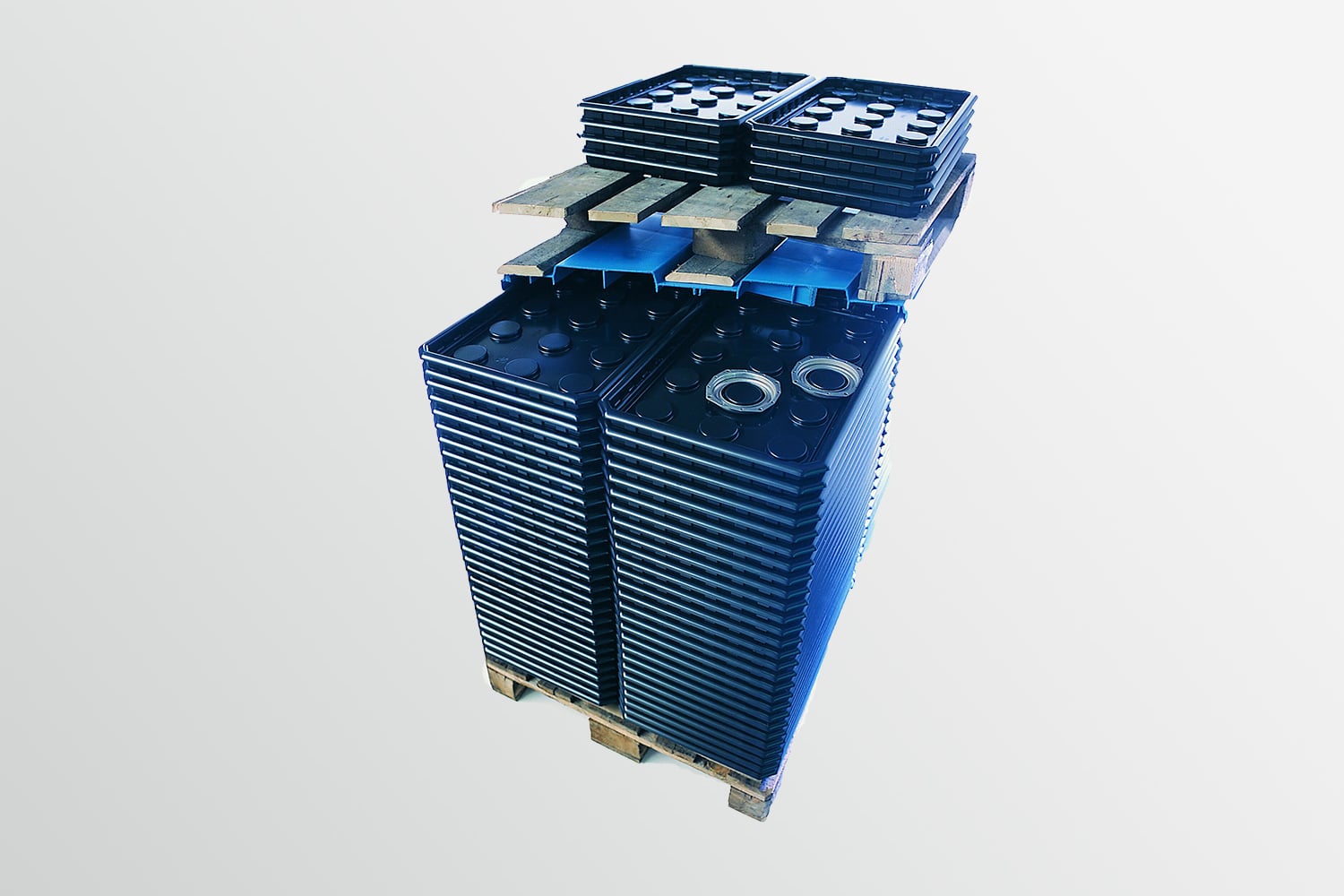
The series production of thermoformed parts offers decisive advantages in electromobility: short cycle times, high repeat accuracy and attractive unit costs. Thermoforming enables the economical production of complex plastic components, particularly for medium to large series – with minimal material loss. Thanks to modern tool technology, the finest structures, functional elements and individual contours can be precisely reproduced. Automated processes and fast tool changes further increase efficiency. Whether for battery modules, interior trims or technical covers – thermoformed parts offer high dimensional accuracy and consistent quality over many thousands of units. This allows OEMs and suppliers to react flexibly to market requirements and get products ready for series production more quickly. This makes deep-drawing technology a key factor in the production of future-proof electric vehicles.
Deep-drawn parts make an important contribution to sustainability in electromobility. Thanks to low material thicknesses and optimized cutting planning, hardly any waste is produced – and what remains is usually fully recyclable. Many thermoforming materials are already made from recyclates or bio-based plastics without losing functionality or quality. The energy-efficient production process scores points for its low temperatures and short cycle times. The process also enables the production of durable components that can be separated by type and recycled at the end of their life cycle. Functional multilayer solutions can also be designed sustainably. All in all, this leads to resource-saving, ecologically optimized component production – a decisive factor for the carbon footprint of modern electric vehicles. Deep-drawn parts combine technical performance with environmental responsibility.
Thermoformed parts are versatile and are used in numerous areas of modern electric vehicles. In the interior, they serve as attractive trim for doors, center consoles or trunk components. On the exterior, they provide functional covers, underbody protection or aerodynamic elements. Thermoformed plastic parts also offer solutions in the technical environment – for example as holders for cables, air duct elements or battery trays. The big advantage: even complex geometries and large-area components can be produced cost-effectively and lightweight. In addition, integrated functions such as clips, bars or grids can be molded at the same time. The flexibility in design and the wide range of materials make deep-drawn parts an ideal solution for OEMs and system suppliers in the electromobility sector.
When choosing between plastic and sheet metal parts in e-mobility, function, quantity, weight and costs play a key role. Plastic parts score points for their low weight, high design freedom and economical production for medium to large series – ideal for cladding, interior parts or functional covers. Thermoformed plastic parts can also be shaped quickly and precisely, often without the need for post-processing. Sheet metal parts, on the other hand, offer high mechanical strength and are particularly suitable for load-bearing or heat-stressed components. They can also be economically advantageous in small batches. At swissplast, we have decided to rely exclusively on the deep-drawing of plastic. By constantly learning and pushing the limits of our production possibilities, we are also able to use plastic for processes for which sheet metal was traditionally used. You can contact us at any time for advice on the choice of material!
In electromobility, installation space is precious – every component must be designed efficiently. Thermoformed plastic parts offer decisive advantages here thanks to their integrated functionality. Instead of several individual parts, a multifunctional component is created: for example, a cladding with integrated air ducting, cable ducts or acoustic damping elements. This reduces weight and assembly costs while increasing system efficiency. Sensor mounts, clip connections or sealing functions can also be integrated directly into the geometry. This not only saves space, but also material, time and costs. Function integration means: fewer interfaces, fewer sources of error – with a high degree of design freedom at the same time. This opens up real innovation potential for developers, OEMs and system suppliers. Deep-drawn parts thus become the ideal solution for compact, high-performance and future-proof vehicle architectures.
As part of the energy transition, the trend is moving away from the combustion engine towards electromobility and alternative drive systems. Bit by bit, petrol and diesel cars are being replaced on the roads by e-cars, e-scooters, hybrid vehicles or hydrogen vehicles. In the production of these means of transportation, the changed drive conditions also require a rethink in the choice of materials. Plastic components for emobility are particularly suitable here, as they are lighter than metal components of the same size. The weight reduction means that the electric motor can be better utilized or energy from the electric battery can be saved. swissplast has been active in the e-mobility market for many years and manufactures exterior trim, interior trim, underbody covers, underbody panels, underbody protection, roof panels, door panels and other trim parts. We also produce bumpers, bumpers, hoods, mudguards and other plastic cladding parts as required.
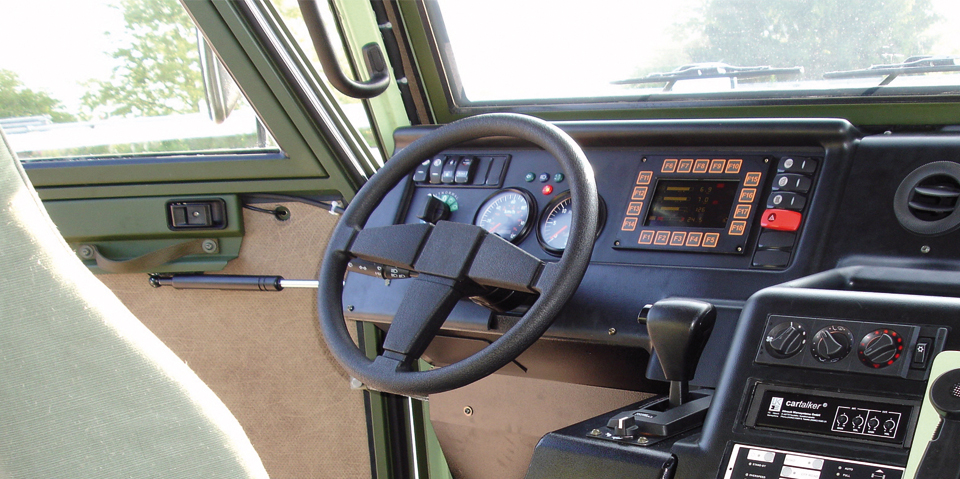
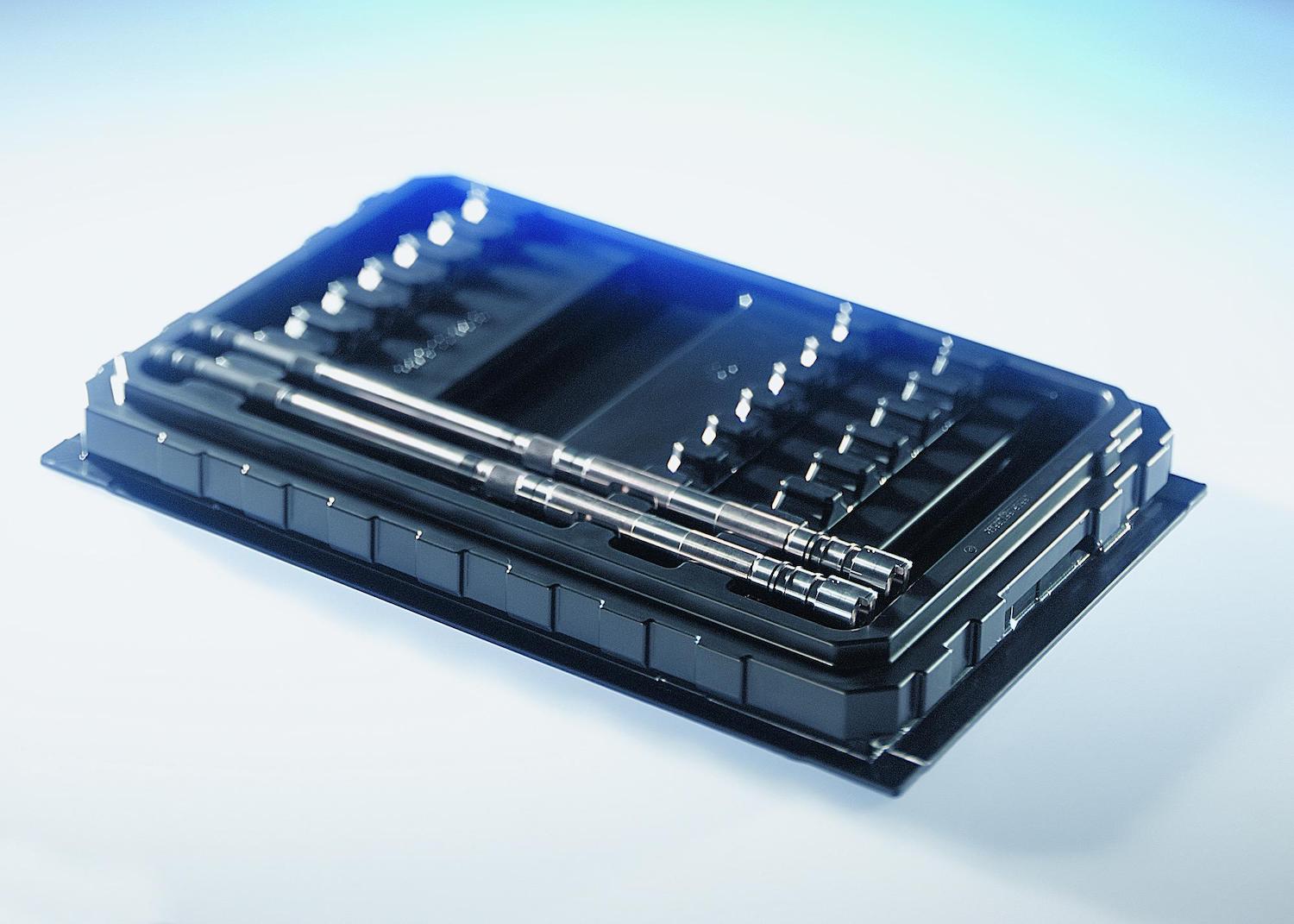
swissplast is your partner when it comes to e-mobility components. We equip your electric car with the right components. Our electric car components cover a wide range of functions: swissplast produces trim parts, cockpit cladding parts, dashboards, bumpers, bumpers, hoods, trunk lids, doors, roof parts, mudguards, trunk floors, door panels and much more. Electronic components such as battery covers and battery casings, charging stations and casings or casings for charging stations as well as sensitive parts such as underbody panels and underbody covers also pose no problems for our production. For all e-mobility components, as always, we adapt to your wishes in terms of shape, color, thickness, milling work or the integration of other materials. We have a large portfolio of working techniques at our disposal to design your product and your emobility component individually according to your specifications.
The possibilities and areas of application of the thermoforming process are virtually limitless. We produce emobility components for every conceivable type of vehicle: Electric cars, minibuses and minivans represent the target group, which are intended for private use. At the other end of our emobility portfolio are electric car components for utility vehicles such as street scooters, municipal vehicles, special vehicles, racing vehicles, prototypes and buggies. Plastic molded parts are particularly suitable for this type of emobility due to their low weight but high stability. A third area of emobility vehicles that we equip with plastic components are, for example, vehicles with alternative drives, hybrid vehicles or hydrogen-powered vehicles. The combination of low-emission means of transport and CO2-neutral plastic parts makes particular sense from an ecological perspective. swissplast has been offsetting all emissions generated since 2021 – from raw material extraction to recycling.
Other technical components